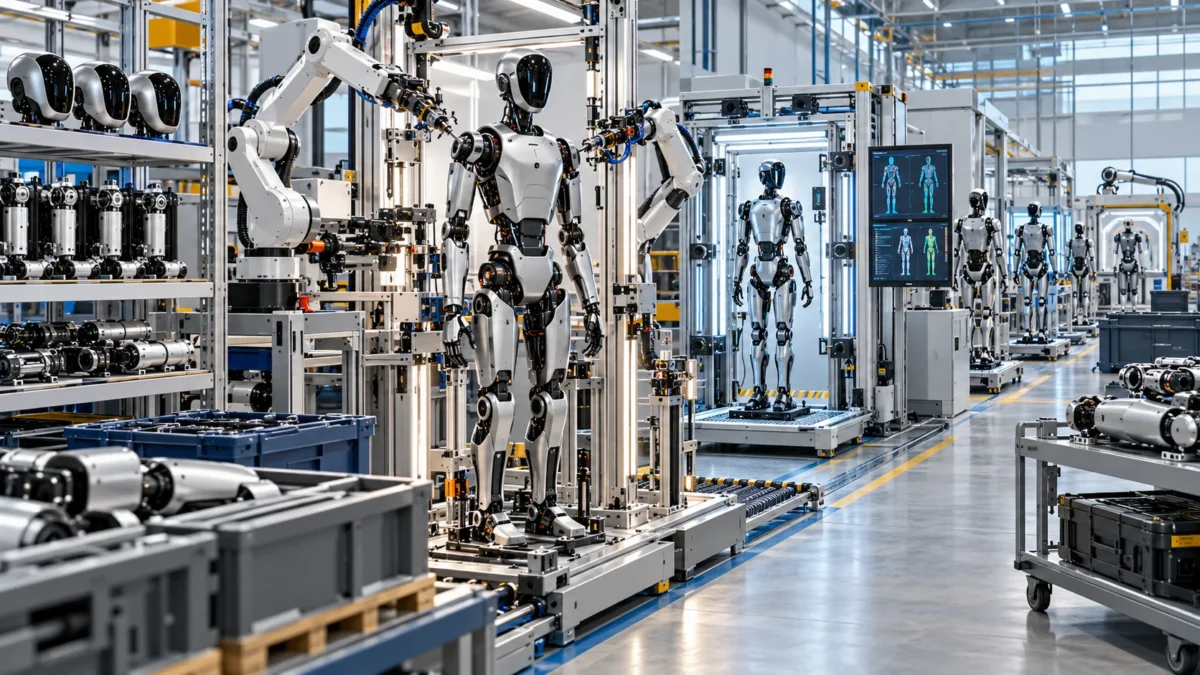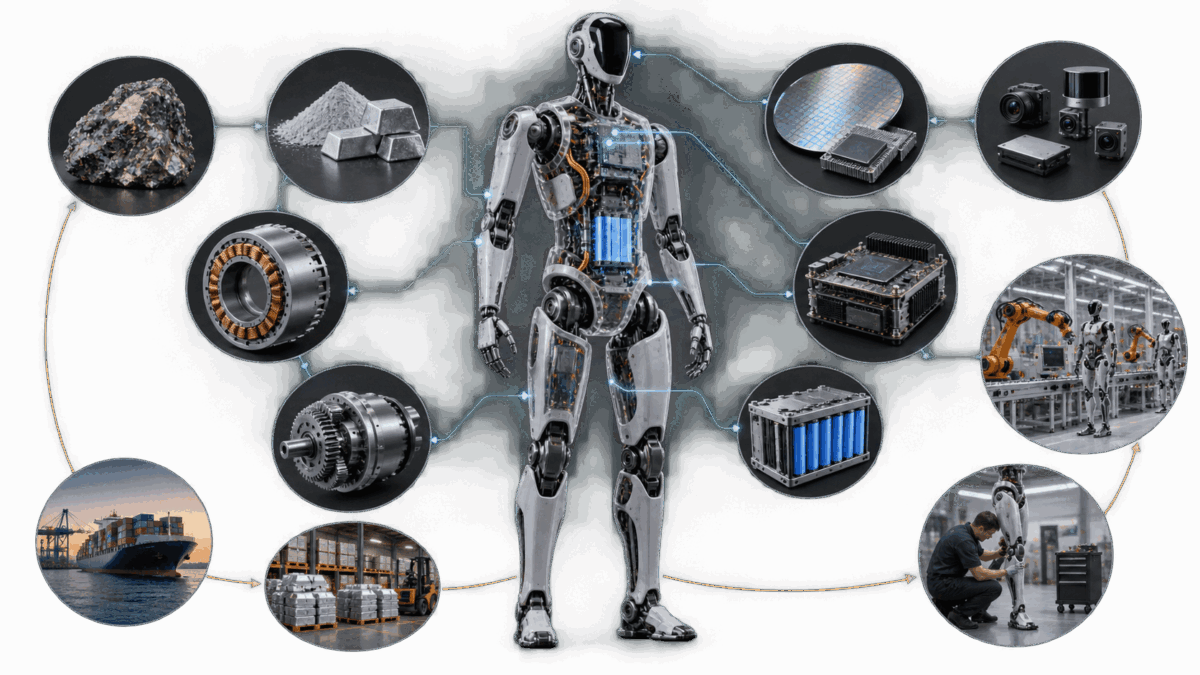
Physical AI depends on a supply chain that extends from critical minerals to fleet services. This paper maps that chain, identifies the most consequential concentration and qualification risks, and proposes a resilience agenda for robot makers, component suppliers, integrators and industrial users preparing for scaled deployment.
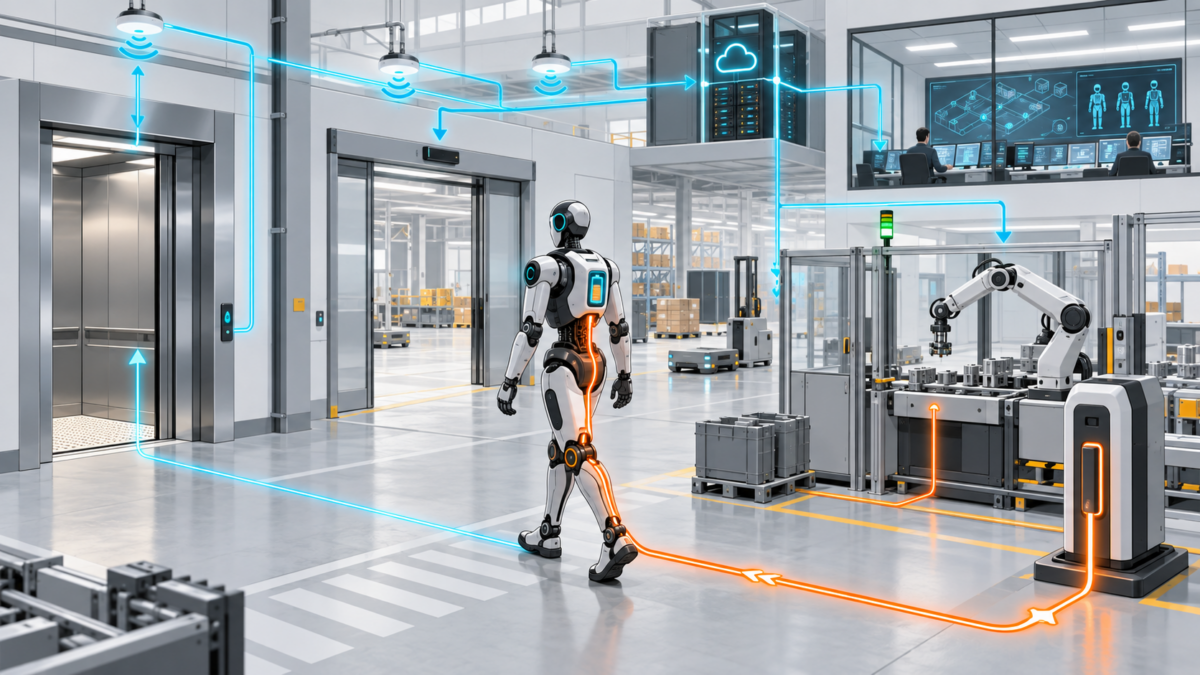
A robot carries intelligence, sensing and actuation, yet productive autonomy depends on the engineered world around it. Charging, connectivity, maps, fleet orchestration, building interfaces, maintenance and data governance form an external operating system. Designing this infrastructure for graceful degradation converts impressive machines into dependable operational capacity.
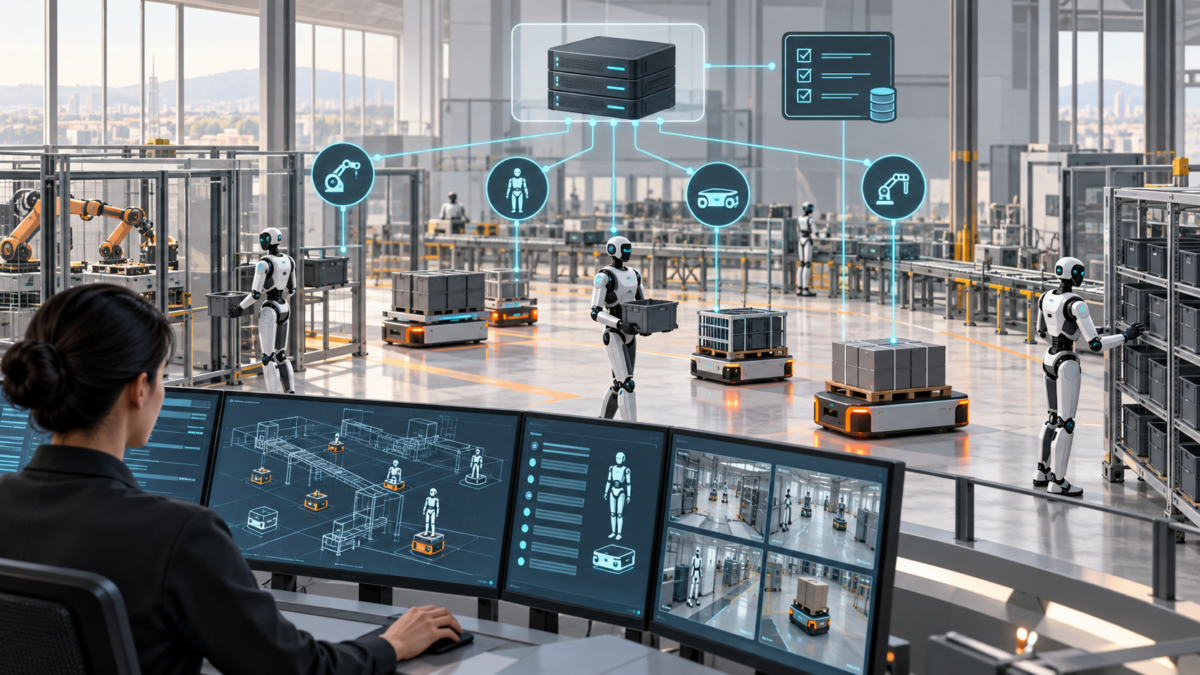
Robot fleets become economically useful when every machine, software release, intervention and incident remains traceable. A disciplined operating model joins commissioning, configuration control, monitoring, maintenance, remote assistance and retirement into one evidence loop—protecting safety, availability and learning as fleet size, mission diversity and update cadence increase.