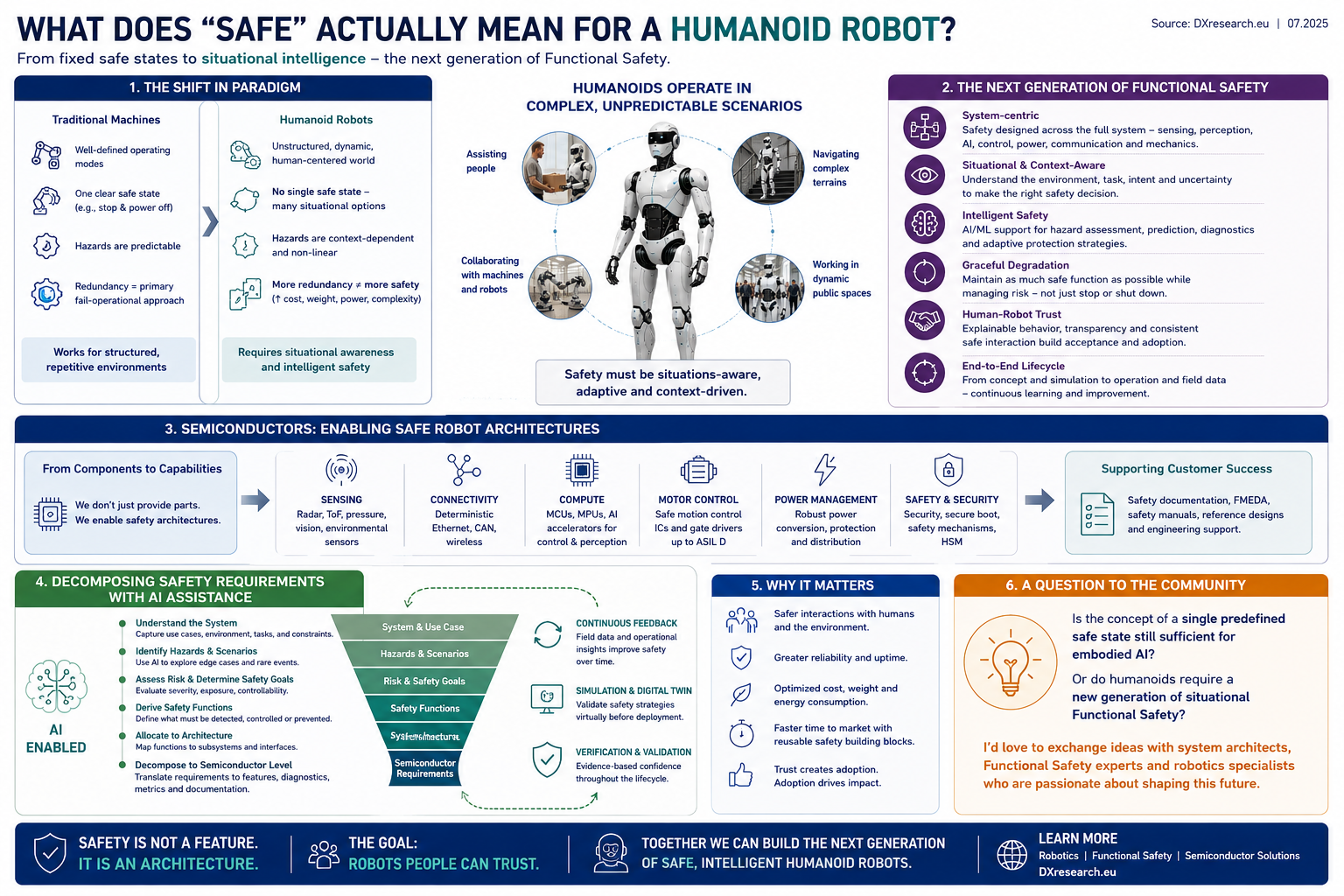
What does “safe” actually mean for a humanoid robot?
For decades, Functional Safety has evolved around machines with well-defined operating modes and clearly defined safe states. Humanoid robots challenge some of those assumptions.…

For decades, Functional Safety has evolved around machines with well-defined operating modes and clearly defined safe states. Humanoid robots challenge some of those assumptions.…
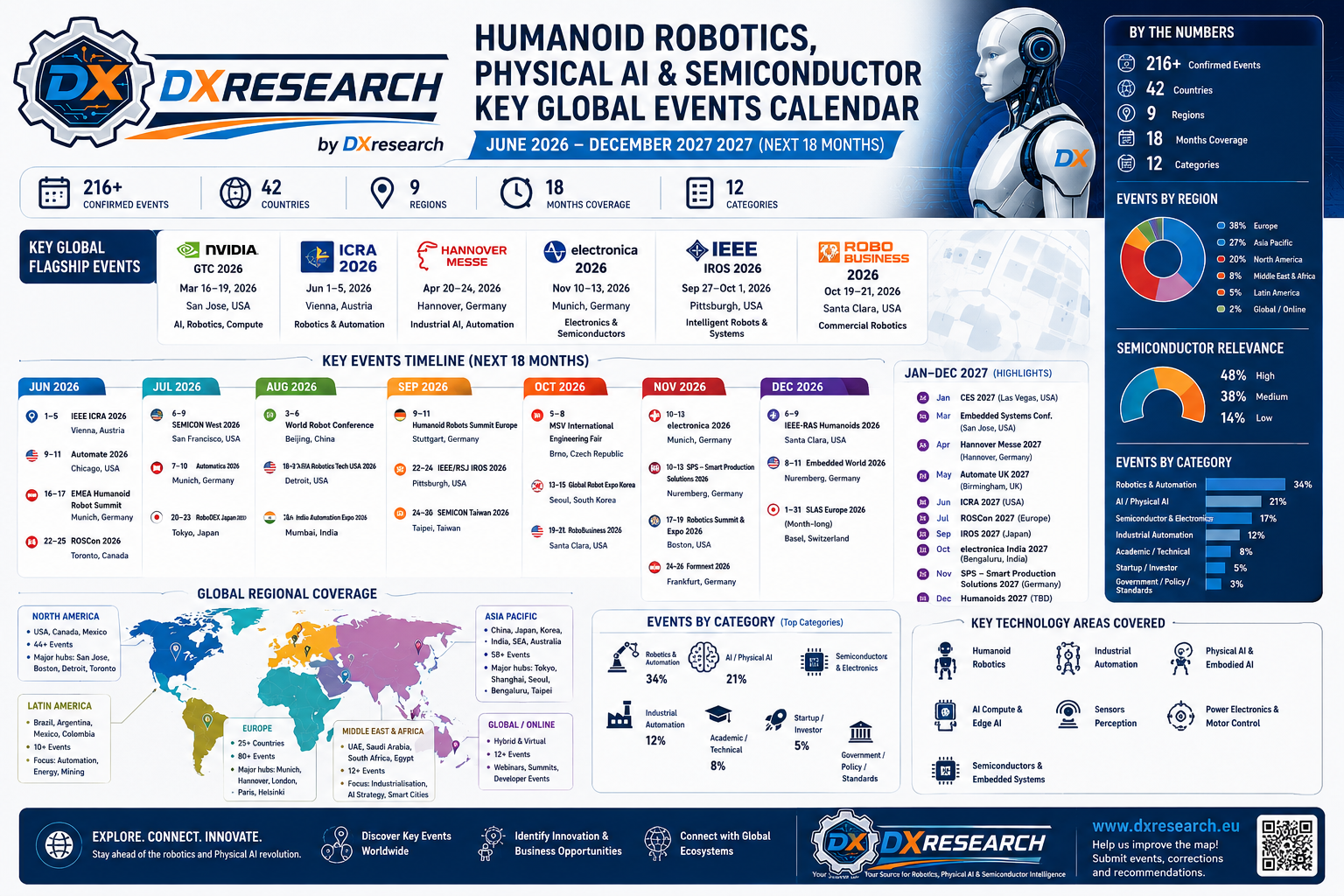
The global humanoid robotics and Physical AI ecosystem is accelerating fast — but the event landscape is fragmented across regions, industries and technologies. Explore…
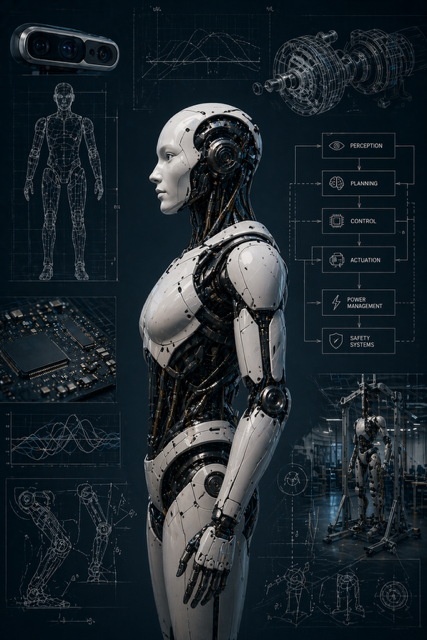
Lyra did not begin as a machine that could move, perceive, or decide, but as a convergence point for a set of engineering assumptions…
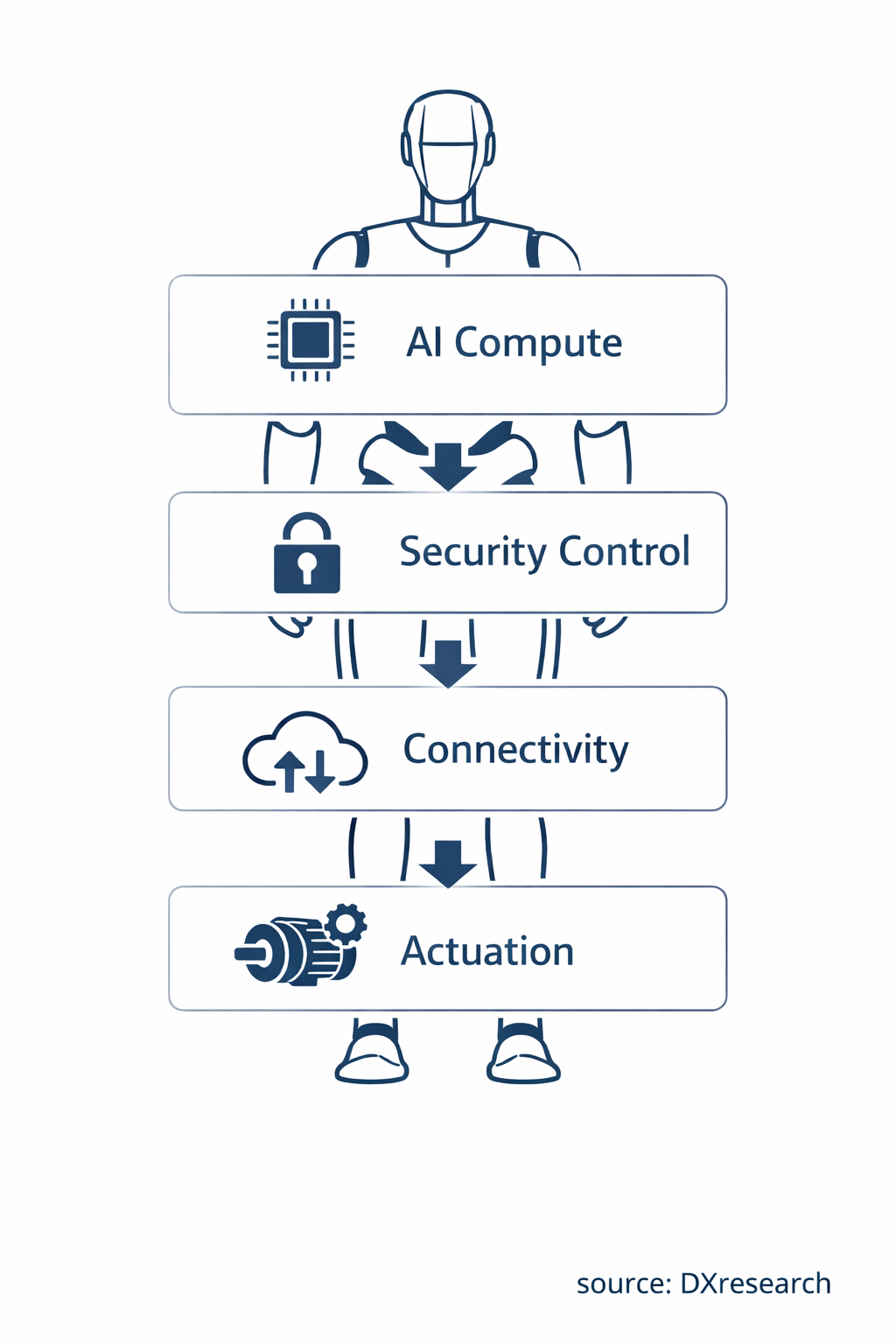
Software Defined Humanoids Scale Through Semiconductor Intelligence Humanoid robots are evolving into software-defined platforms shaped by sensing, compute, and power efficiency. The real shift…
Humanoid Robotics and Cybersecurity Architecture at Scale Trust will define adoption. Security architecture will define trust. As humanoids enter real environments, cybersecurity evolves into…
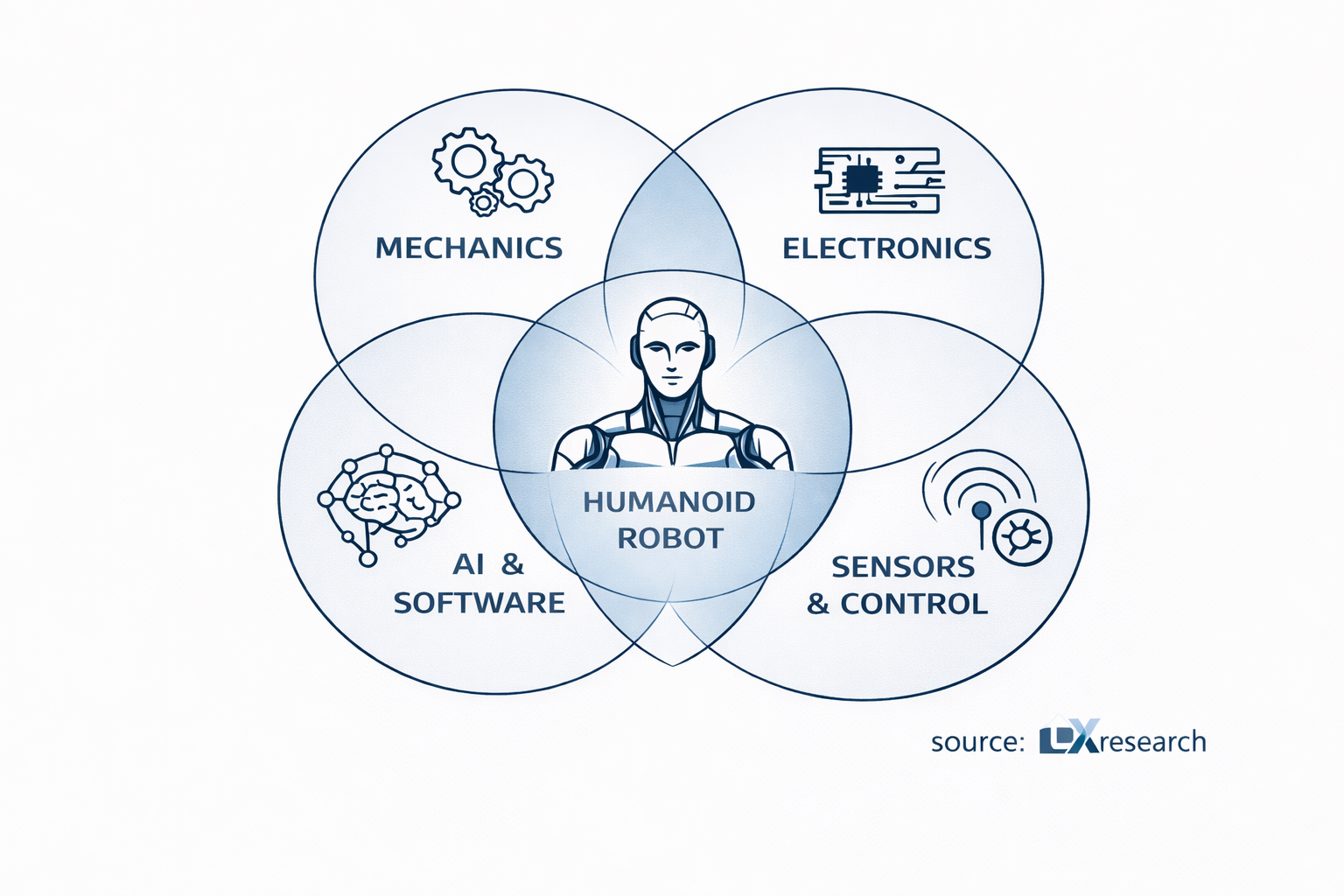
Where Humanoid Robots Are Truly Engineered 🤖 The performance of humanoid robots emerges from disciplined integration across mechanics, electronics, AI, and control systems. Competitive…
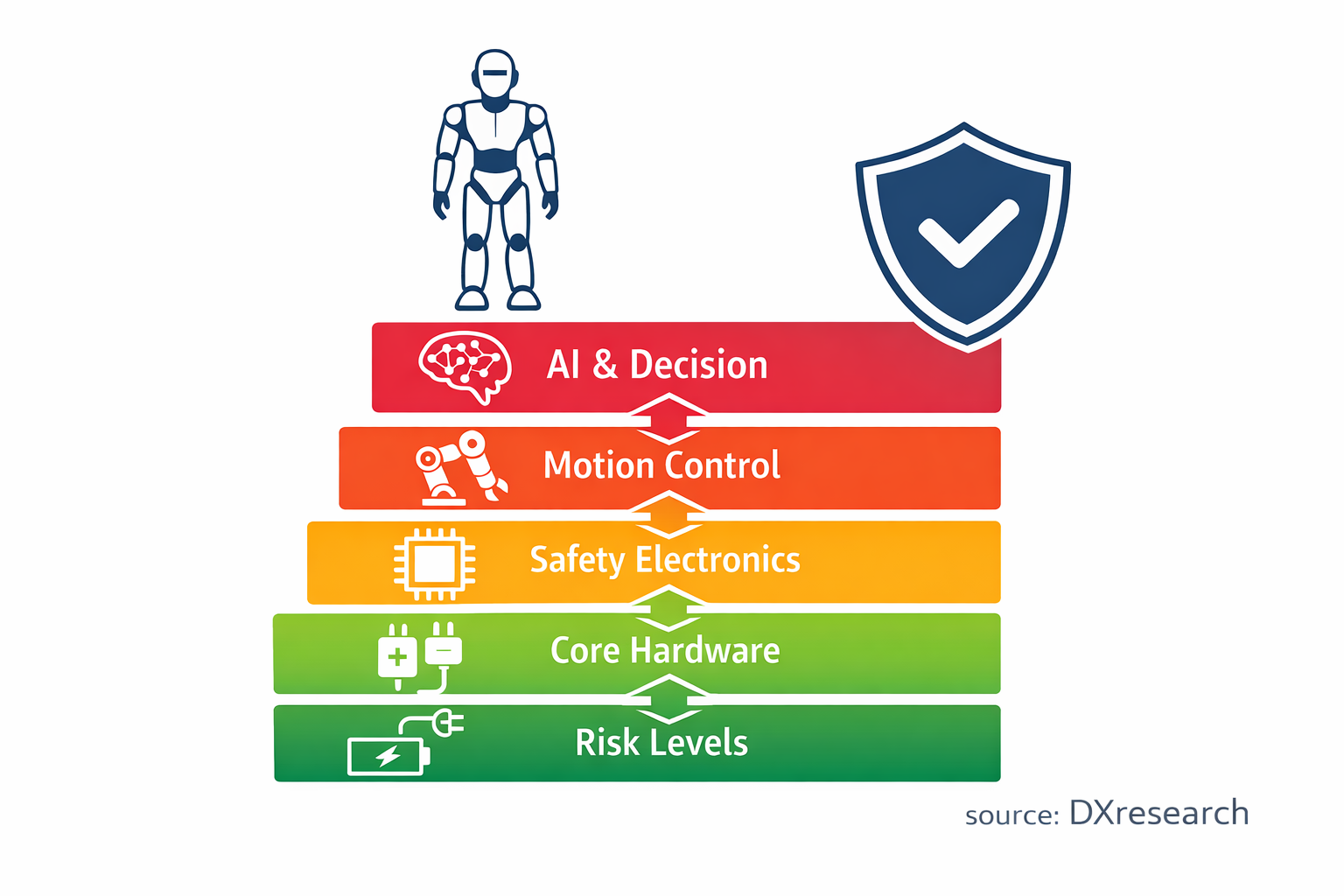
Functional safety in humanoid systems is converging across industries, pointing toward adaptive, AI-aware architectures as the emerging baseline for trust and scalability.
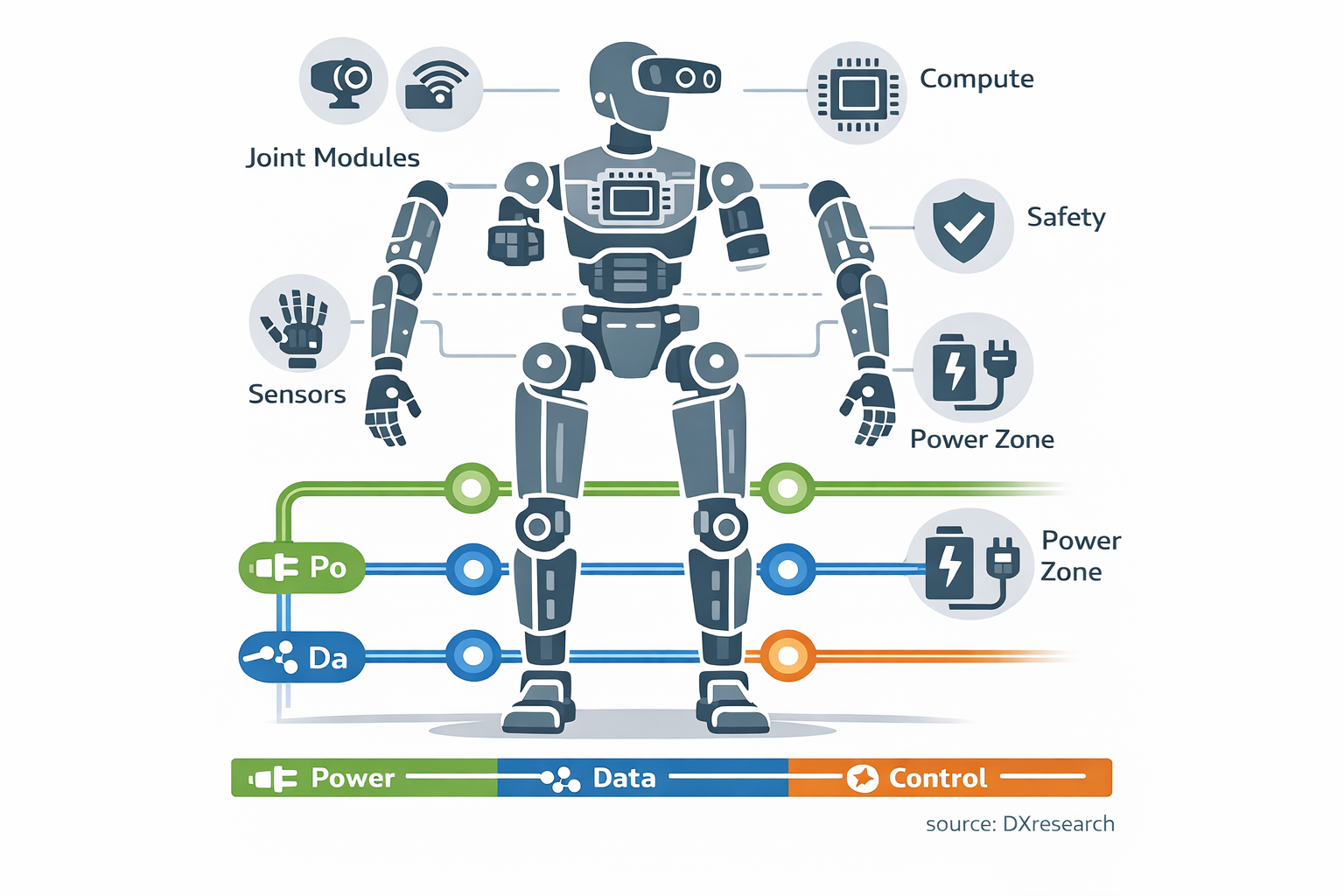
Humanoid robotics is scaling through platforms and semiconductor-defined building blocks 🚀 The path to scalable humanoids points toward modular architectures, where standardized semiconductor building…

Humanoids are are emerging because several independent bottlenecks that blocked them for decades crossed minimum viability thresholds at roughly the same time. 1. Control…
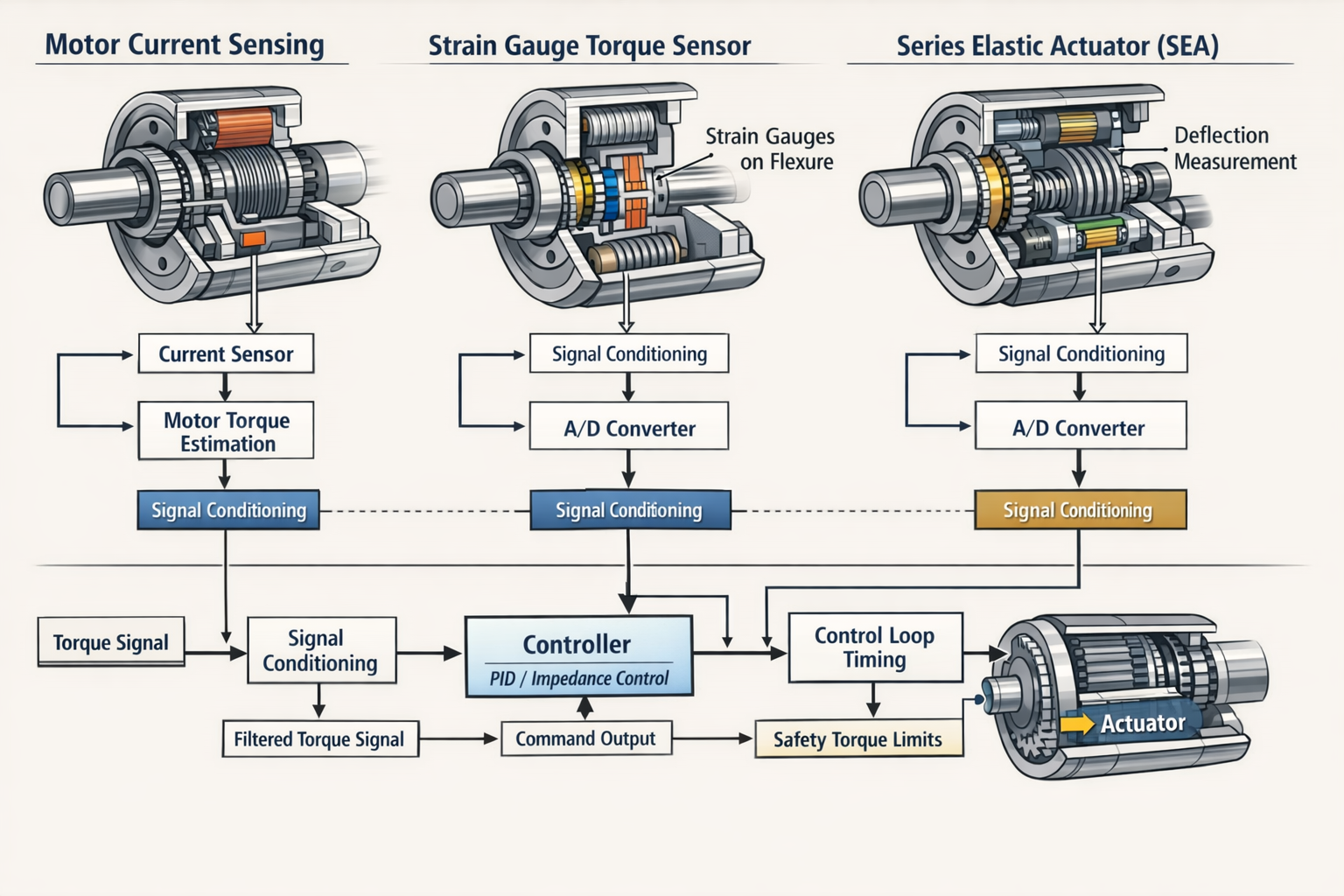
Torque sensing has transitioned from a niche capability to a foundational system primitive for physical-AI robots operating in unstructured, contact-rich environments. By exposing interaction…