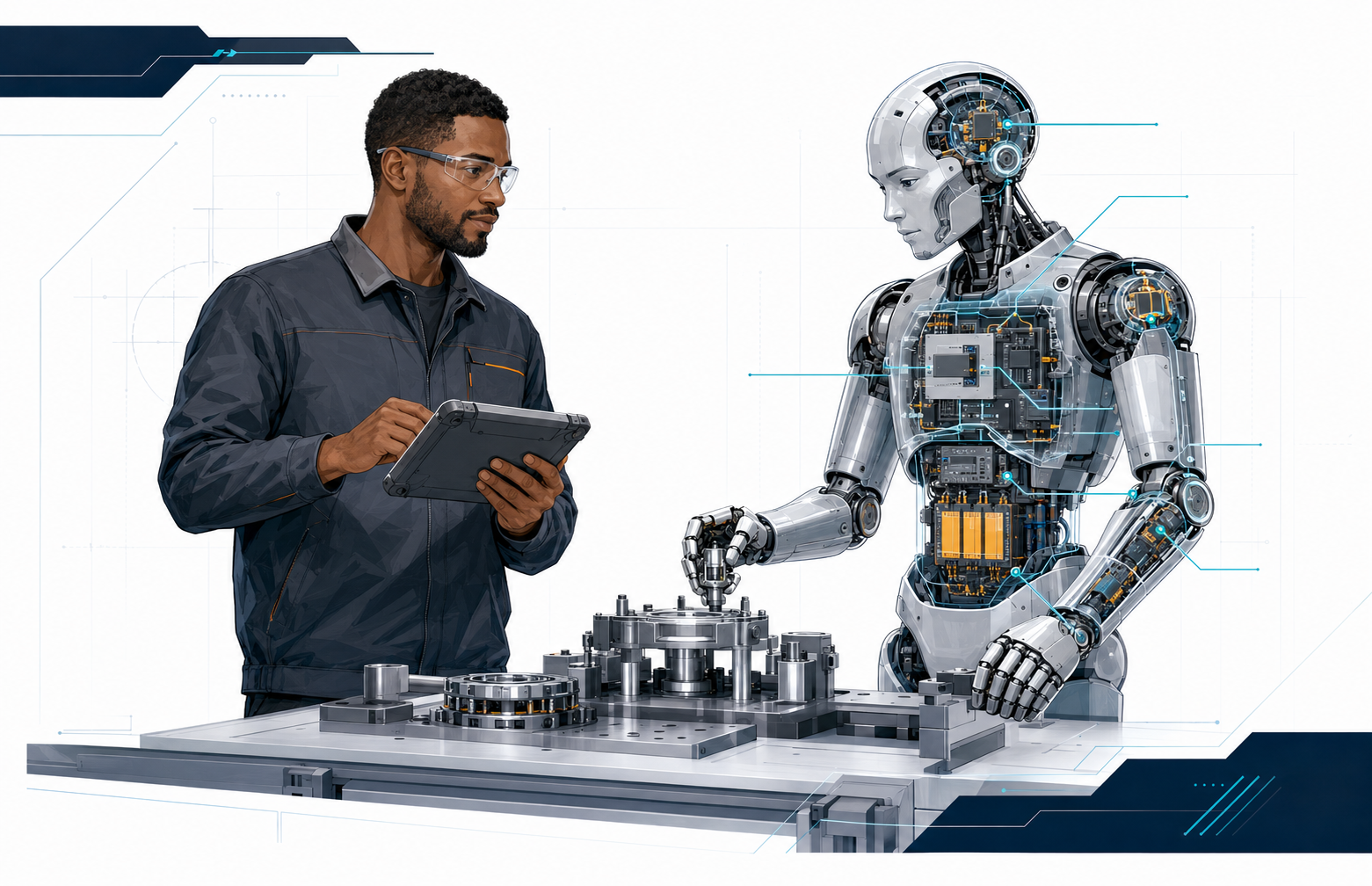
The Social Architecture of Homo Roboticus
Humanoid robots will not transform work simply because they can lift, carry, inspect, assemble, or operate for long hours. Their deeper impact will come…

Humanoid robots will not transform work simply because they can lift, carry, inspect, assemble, or operate for long hours. Their deeper impact will come…
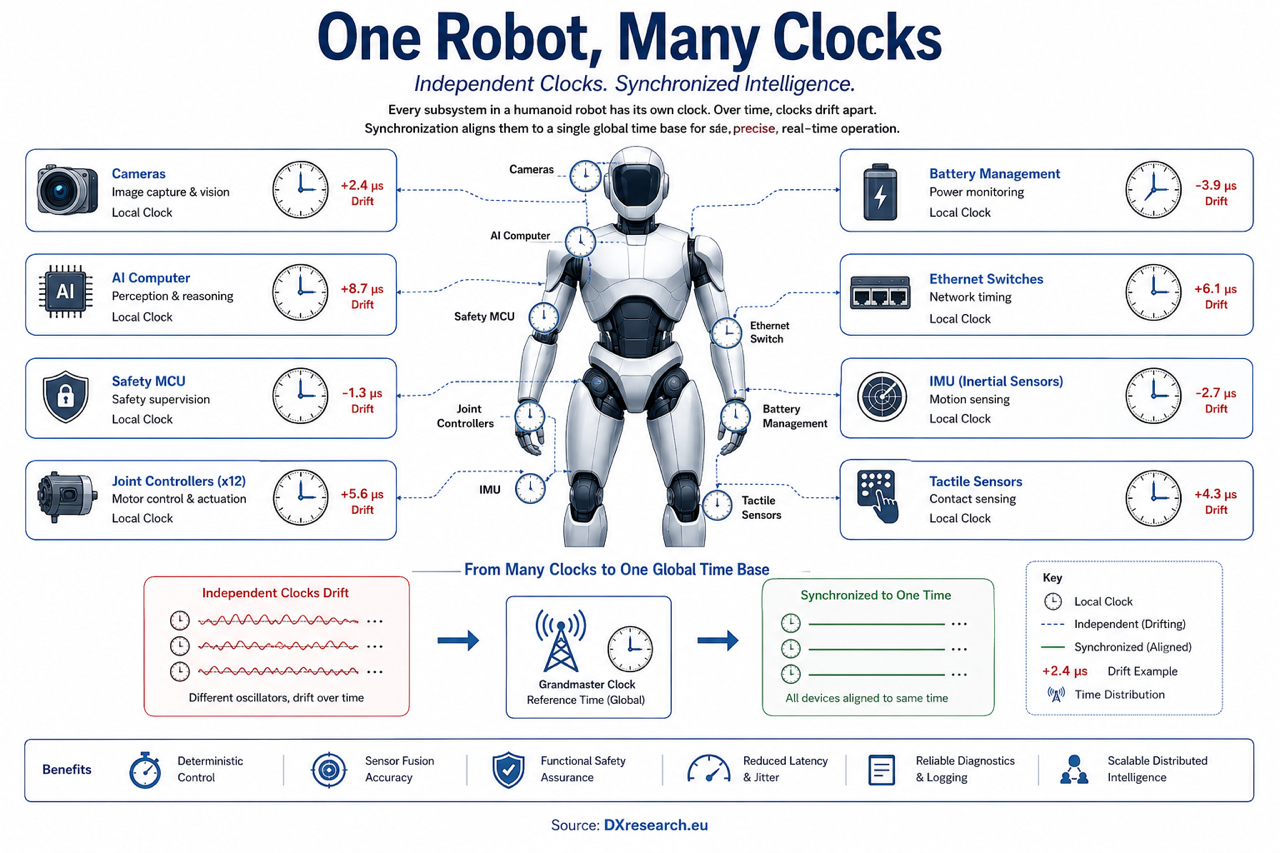
“Humans rarely notice time itself. They notice when it is lost. Humanoid robots are no different. Intelligence depends not only on computation, but on…
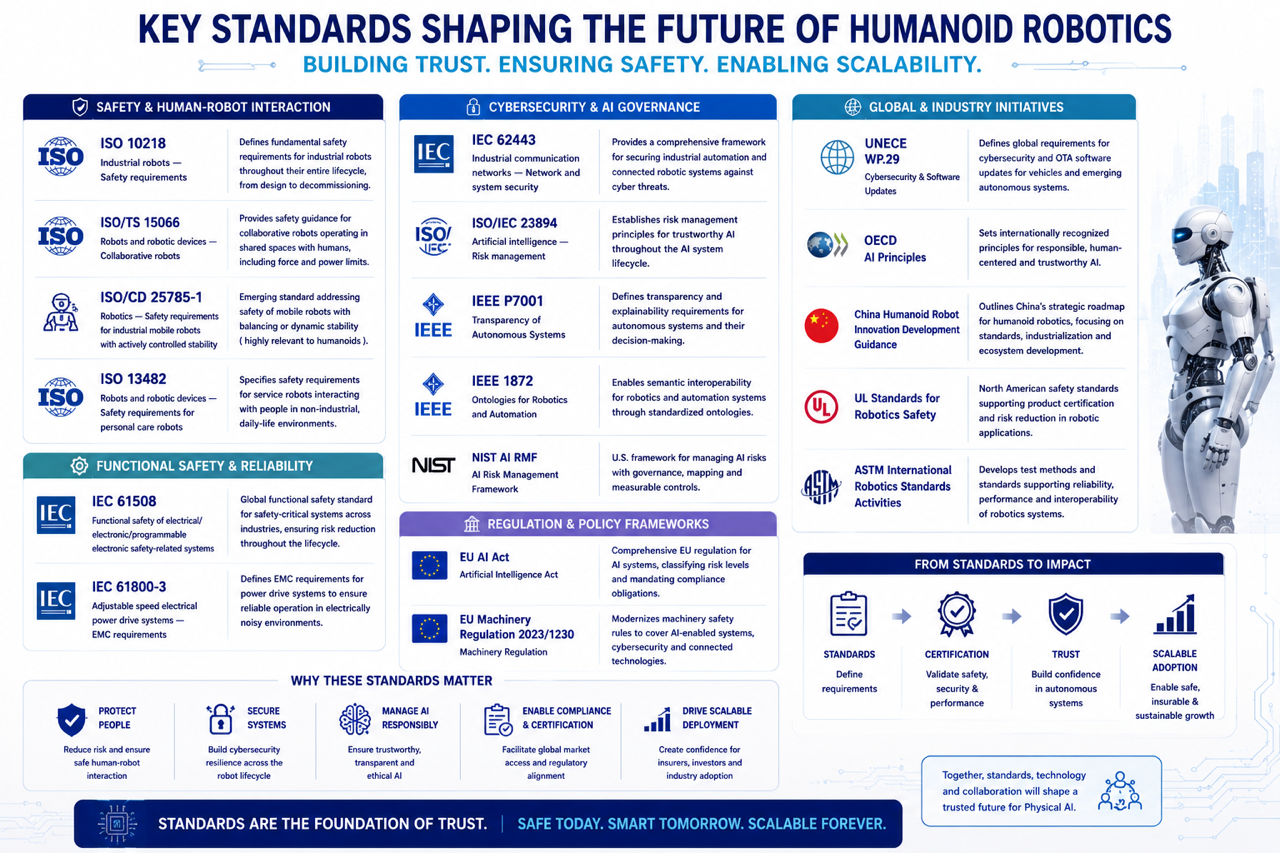
Humanoid robotics is entering the same industrialization phase once seen in automotive and aviation: innovation alone is no longer enough. Standards such as ISO…
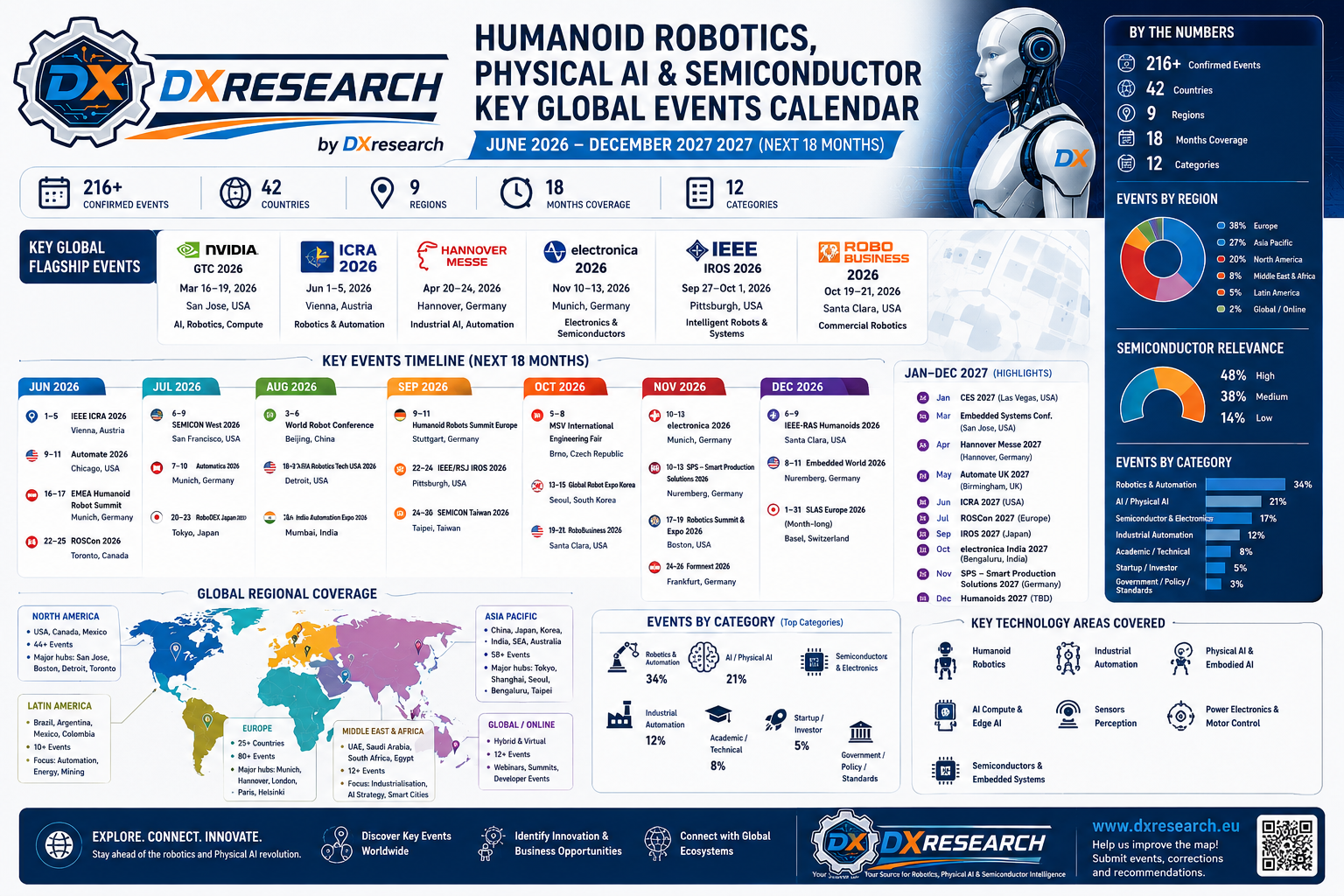
The global humanoid robotics and Physical AI ecosystem is accelerating fast — but the event landscape is fragmented across regions, industries and technologies. Explore…
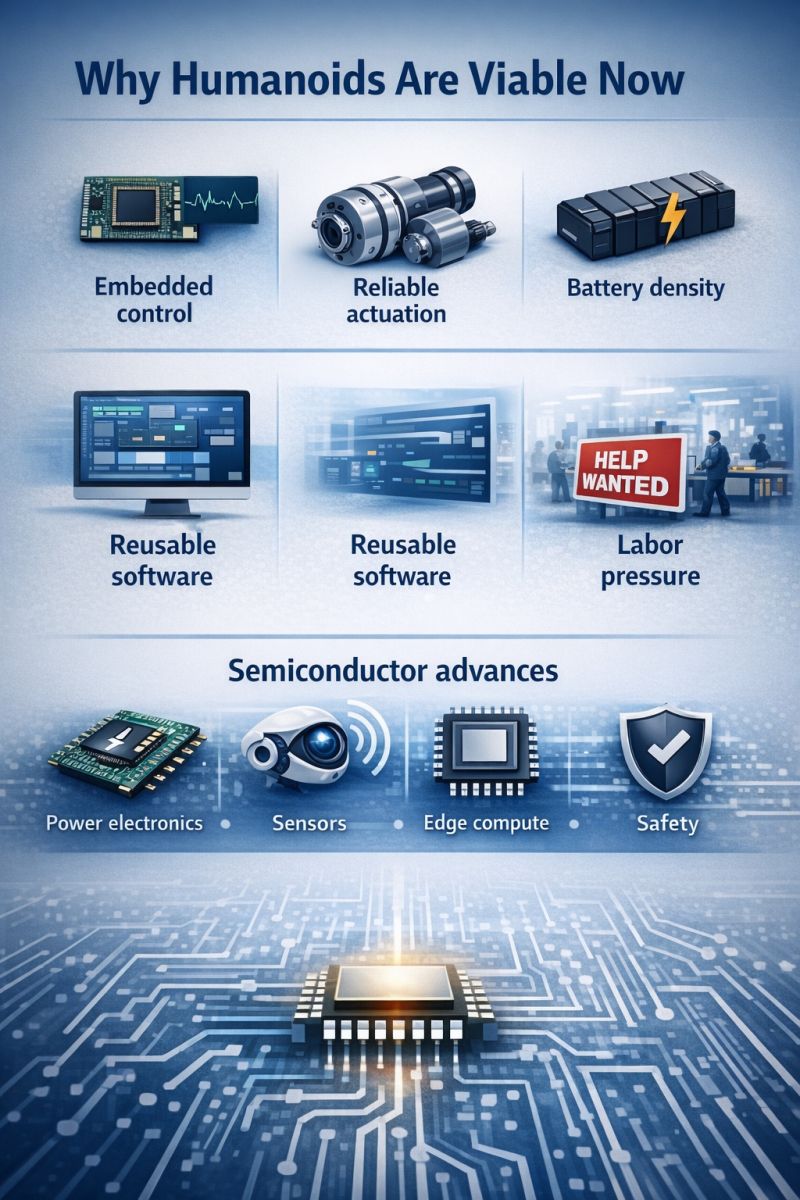
Humanoids are are emerging because several independent bottlenecks that blocked them for decades crossed minimum viability thresholds at roughly the same time. 1. Control…
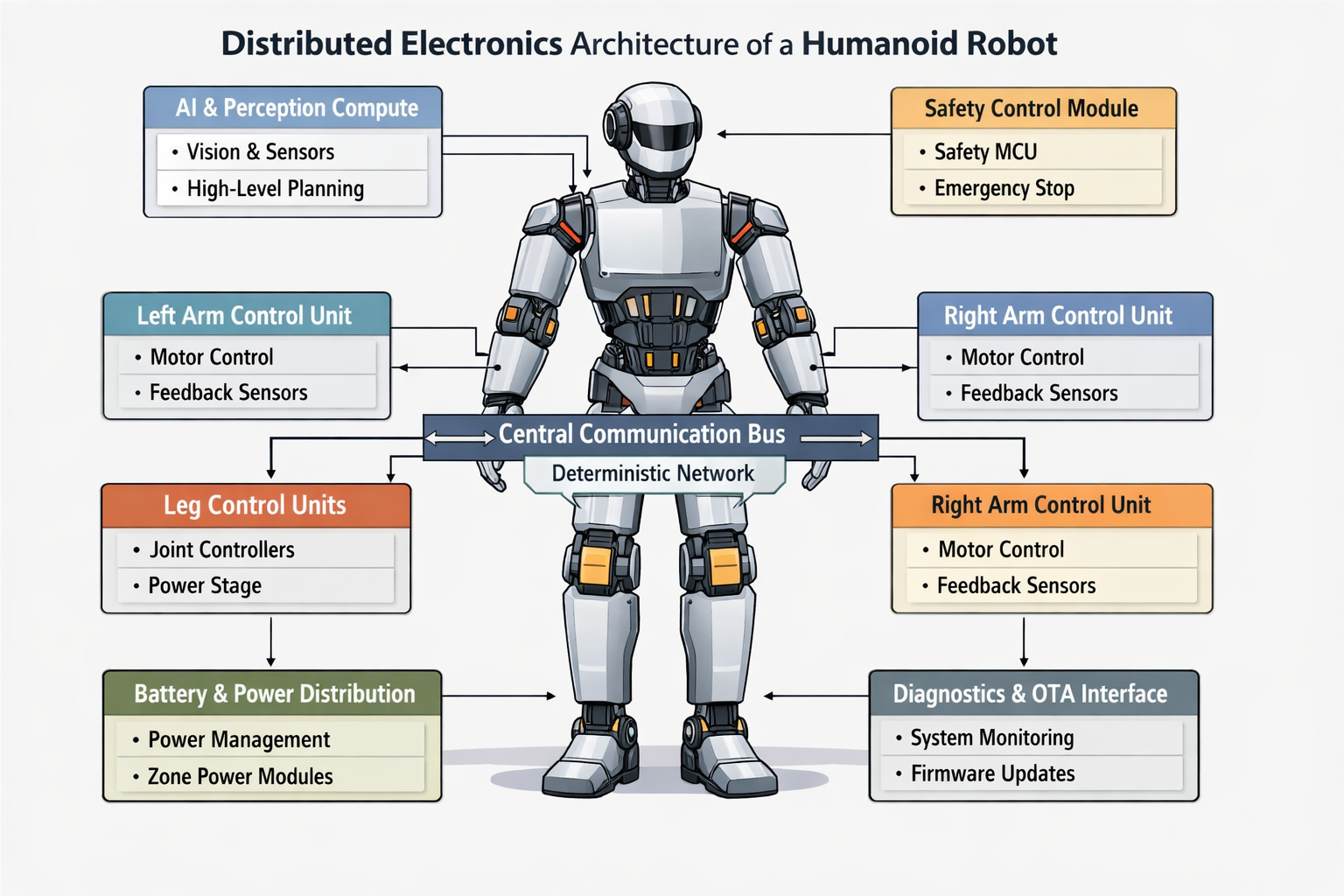
Why system architecture, not intelligence, decides whether humanoids scale Humanoid robots concentrate more actuation, sensing, and compute per kilogram than almost any other engineered…
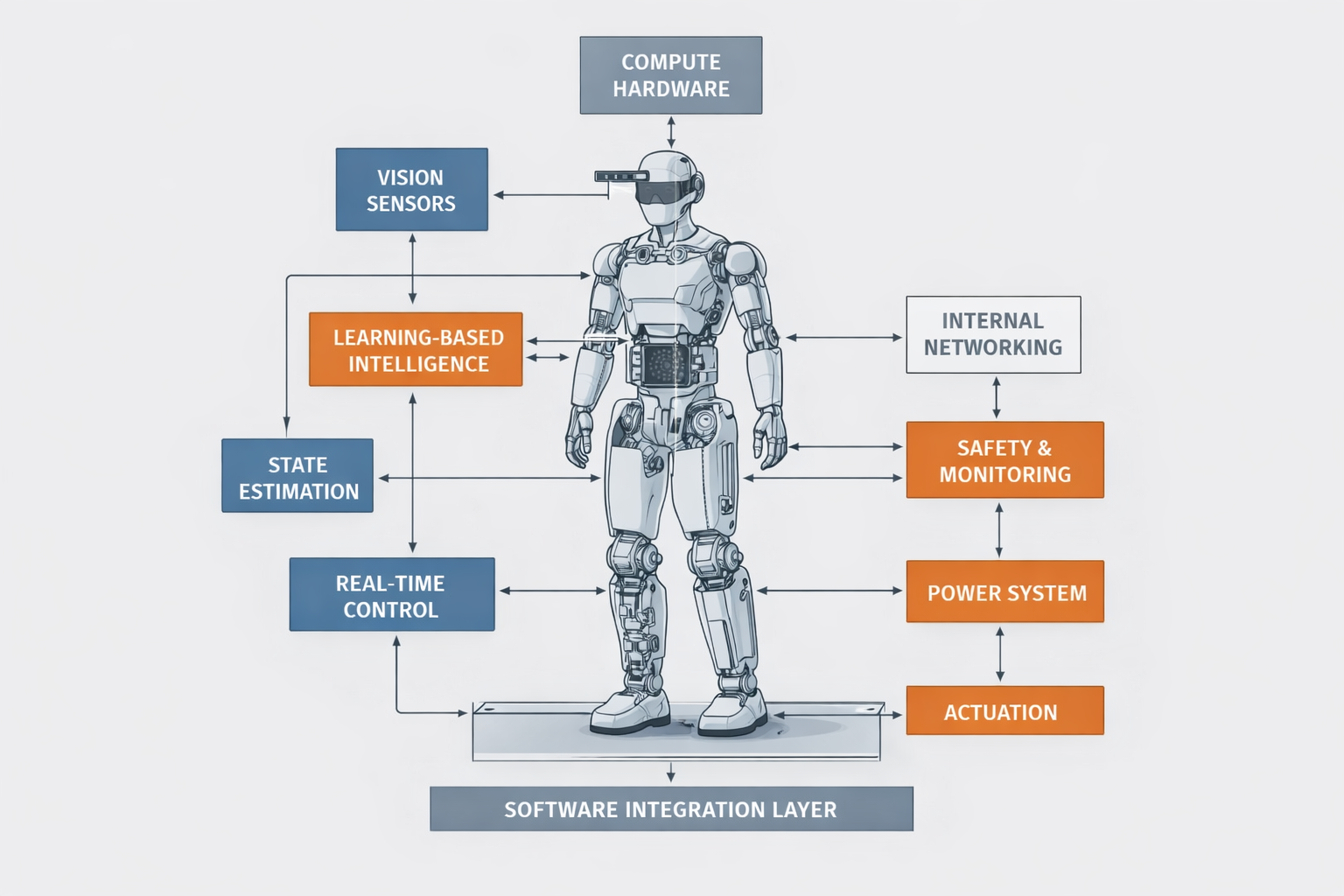
A humanoid Physical AI system is not defined by its shape, but by the tight coupling of perception, intelligence, control, actuation, energy, and safety…
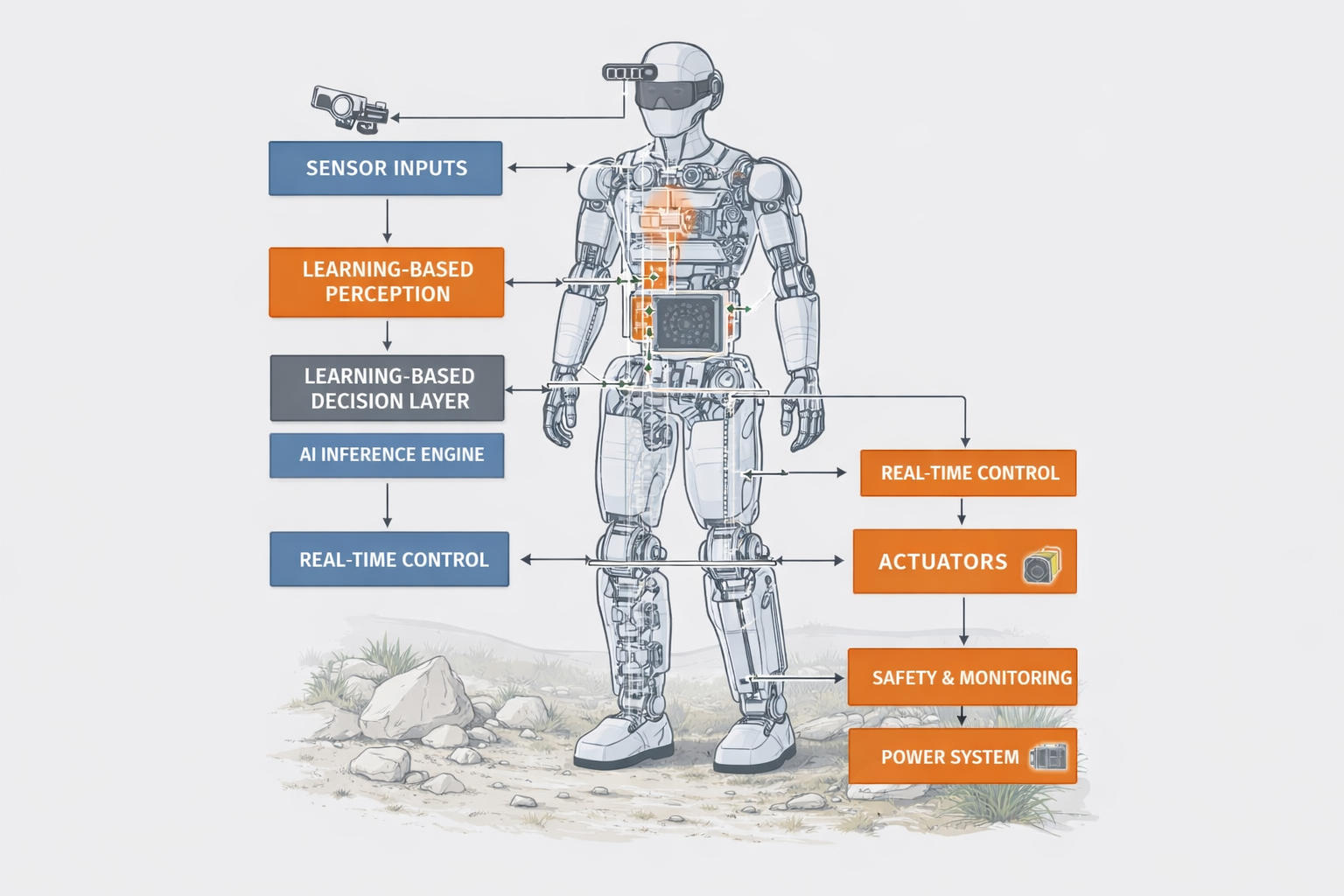
Physical AI refers to embodied systems that sense, decide, and act in the real world using a combination of learning-based intelligence and deterministic physical…