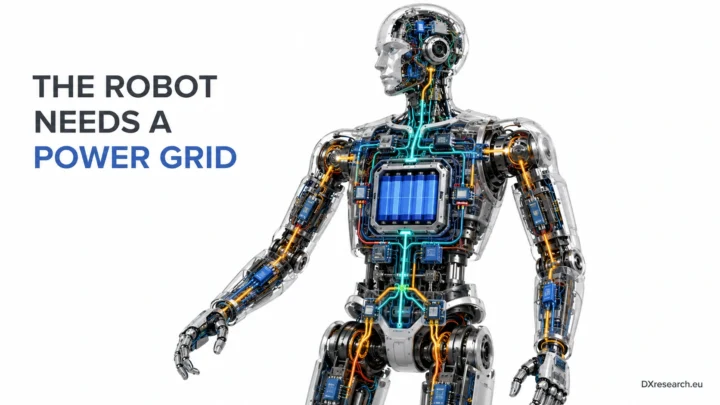
The Robot Needs a Power Grid
Humanoid power must become a distributed, protected, observable grid that routes energy safely across actuators, compute, sensing, and regenerative loads.

Humanoid power must become a distributed, protected, observable grid that routes energy safely across actuators, compute, sensing, and regenerative loads.
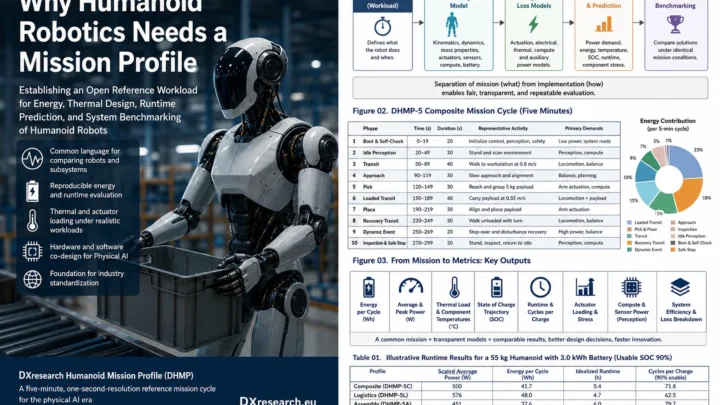
A common humanoid mission profile makes energy, thermal, runtime, and semiconductor comparisons reproducible across robots, tasks, laboratories, and development teams.
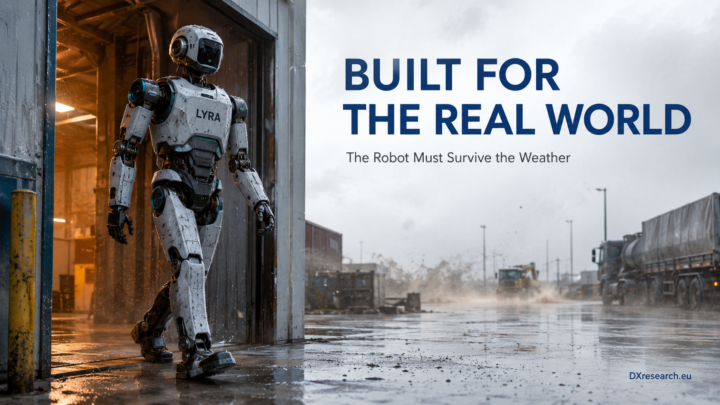
Outdoor humanoids require environmental robustness across sensing, power, sealing, diagnostics, temperature, moisture, dust, connectors, and semiconductor operating margins throughout deployment.
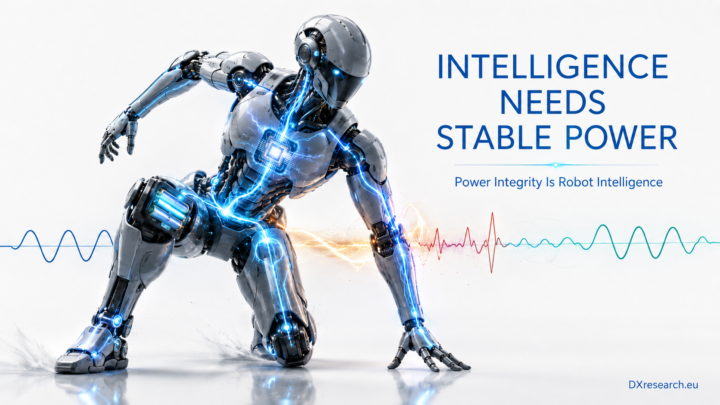
Humanoid performance depends on power integrity: stable distributed energy delivery that preserves motion, perception, computation, safety, and availability under transients.
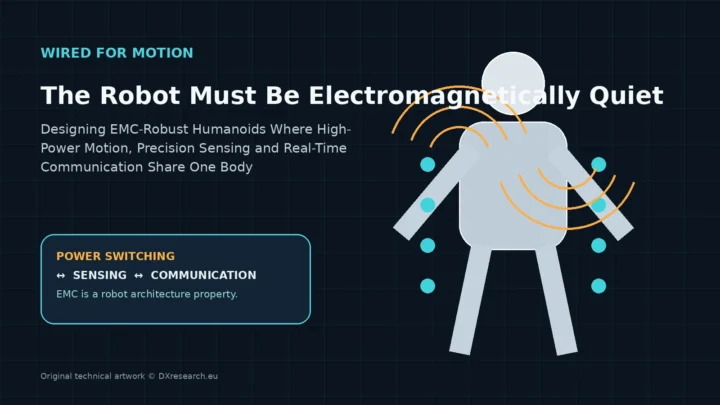
Humanoid reliability depends on controlling electromagnetic noise across power electronics, sensors, communication links, grounding, shielding, filtering, and semiconductor interfaces reliably.
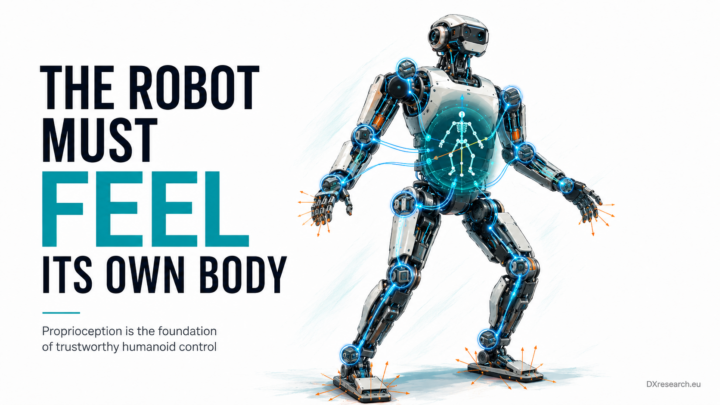
Proprioception turns joint, inertial, contact and load measurements into trustworthy body-state estimates for safer, more capable, serviceable humanoid motion systems.
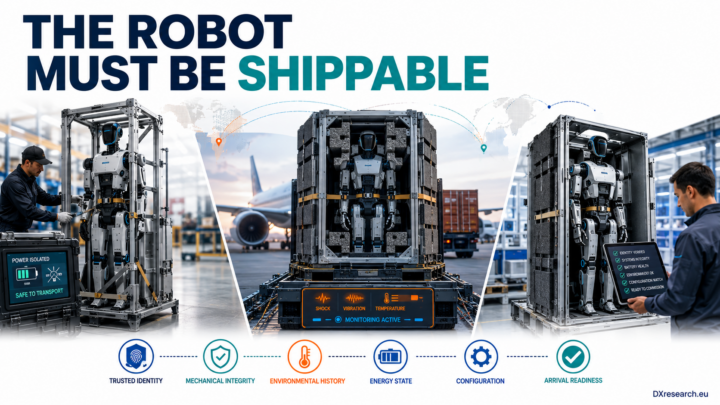
Humanoid robots scale only when transport, storage, battery isolation, shock resilience, commissioning, and traceability are engineered into architecture from inception.
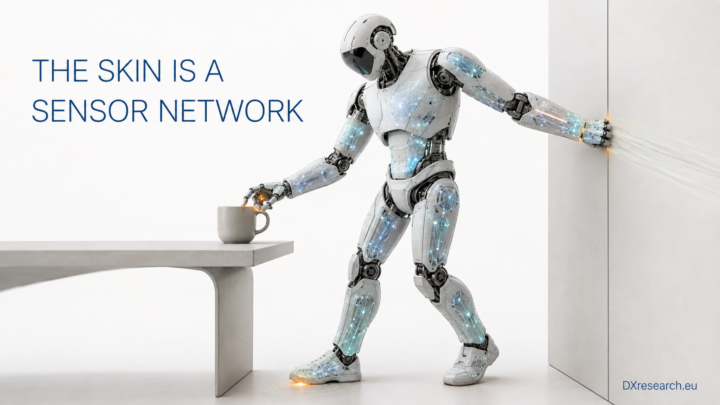
Whole-body tactile networks turn robot surfaces into distributed intelligence, linking contact sensing, edge processing, safety, control, diagnostics, and continuous learning.
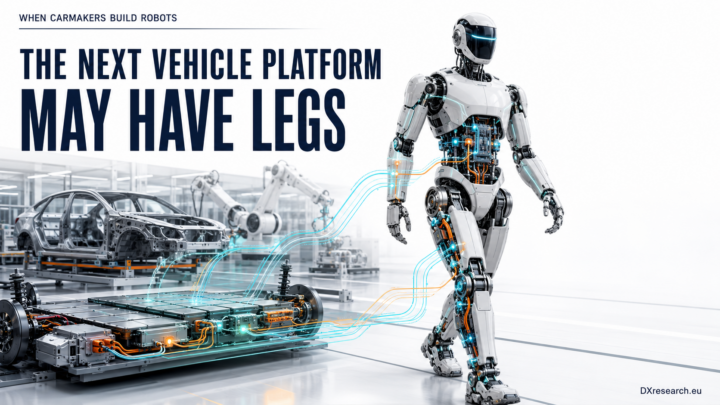
Automotive OEMs become robot makers transferring electric drive sensing safety AI manufacturing and supplier architectures into emerging Physical AI ecosystems.
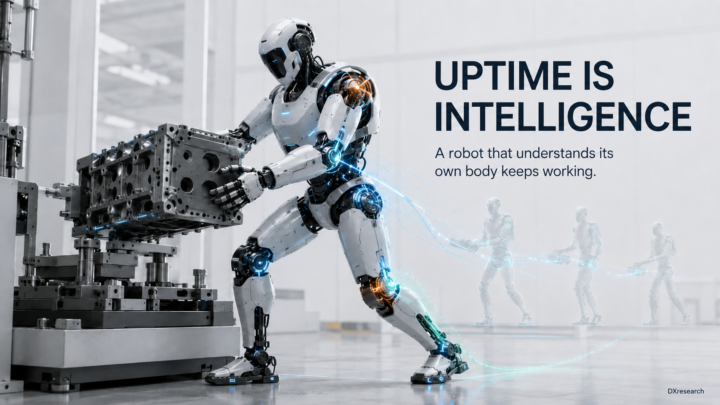
Humanoid scale depends on architectures that detect degradation, preserve safe capability, accelerate repair, and convert fleet evidence into continuous improvement.