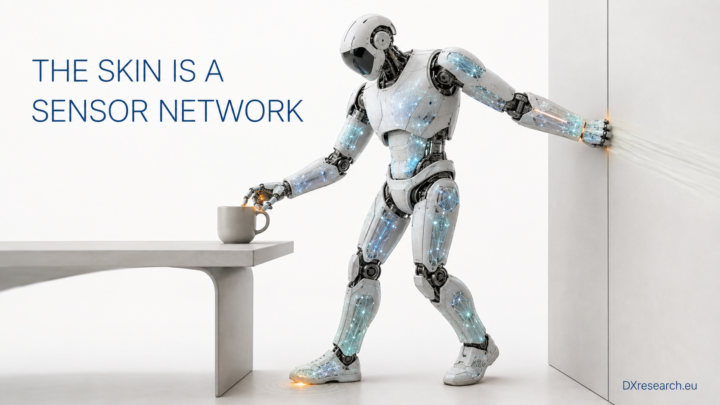
The Skin Is a Sensor Network
Whole-body tactile networks turn robot surfaces into distributed intelligence, linking contact sensing, edge processing, safety, control, diagnostics, and continuous learning.

Whole-body tactile networks turn robot surfaces into distributed intelligence, linking contact sensing, edge processing, safety, control, diagnostics, and continuous learning.
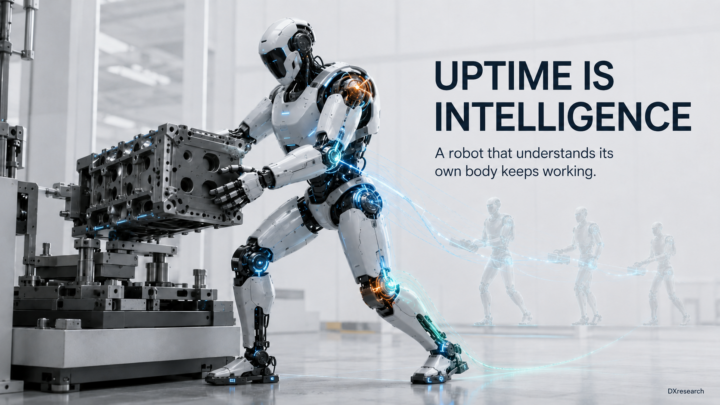
availabilityreliabilitymaintainabilityIEC 60300-1IEC 60300-3-10:2025
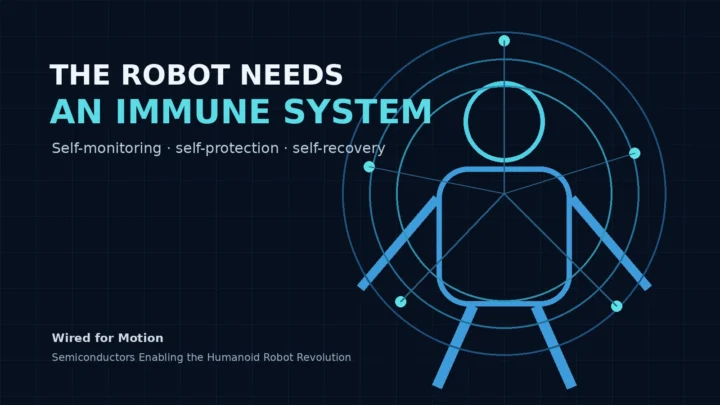
Robots need distributed trust mechanisms that detect abnormalities, contain faults, preserve safe capability, recover securely, and learn across operational fleets.
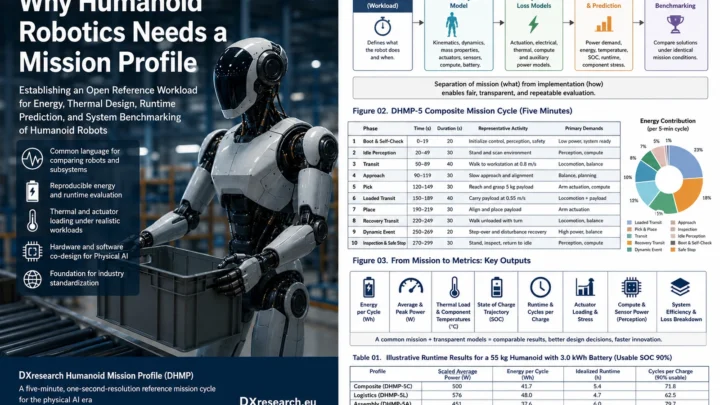
DXHMP v1.0 — The Open Reference Mission Framework for Humanoid Robotics Part 1 of 3 DXresearch White Paper Version 1.0 Draft Abstract Humanoid robotics…
Hardware-rooted identity, attestation and lifecycle evidence will determine whether humanoid robots earn trust, authorization, serviceability and market access at scale.
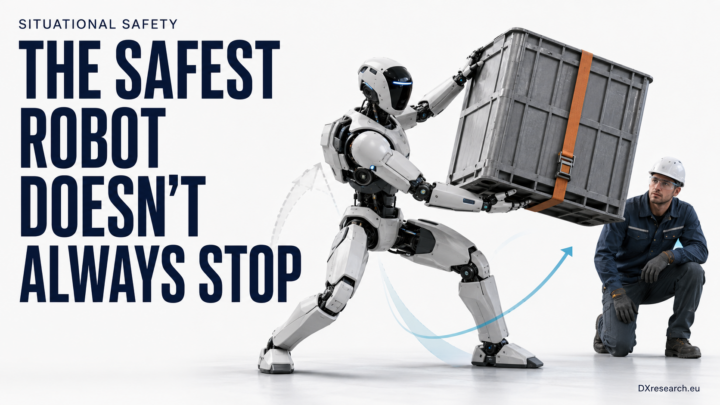
Humanoid safety requires context-aware, independently assured responses that preserve control, reduce risk, and adapt without surrendering authority to AI models.
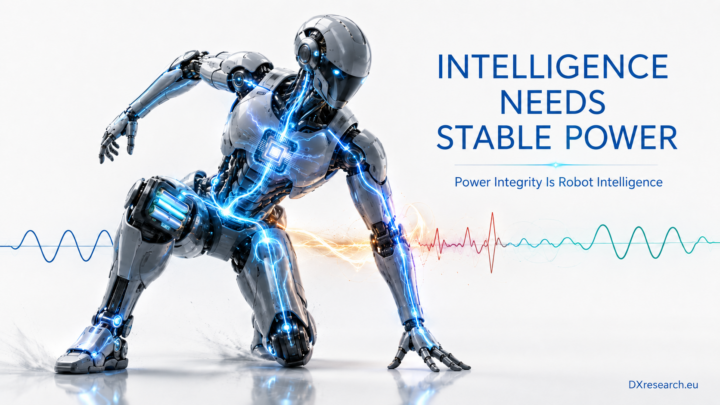
Humanoid performance depends on power integrity: stable distributed energy delivery that preserves motion, perception, computation, safety, and availability under transients.
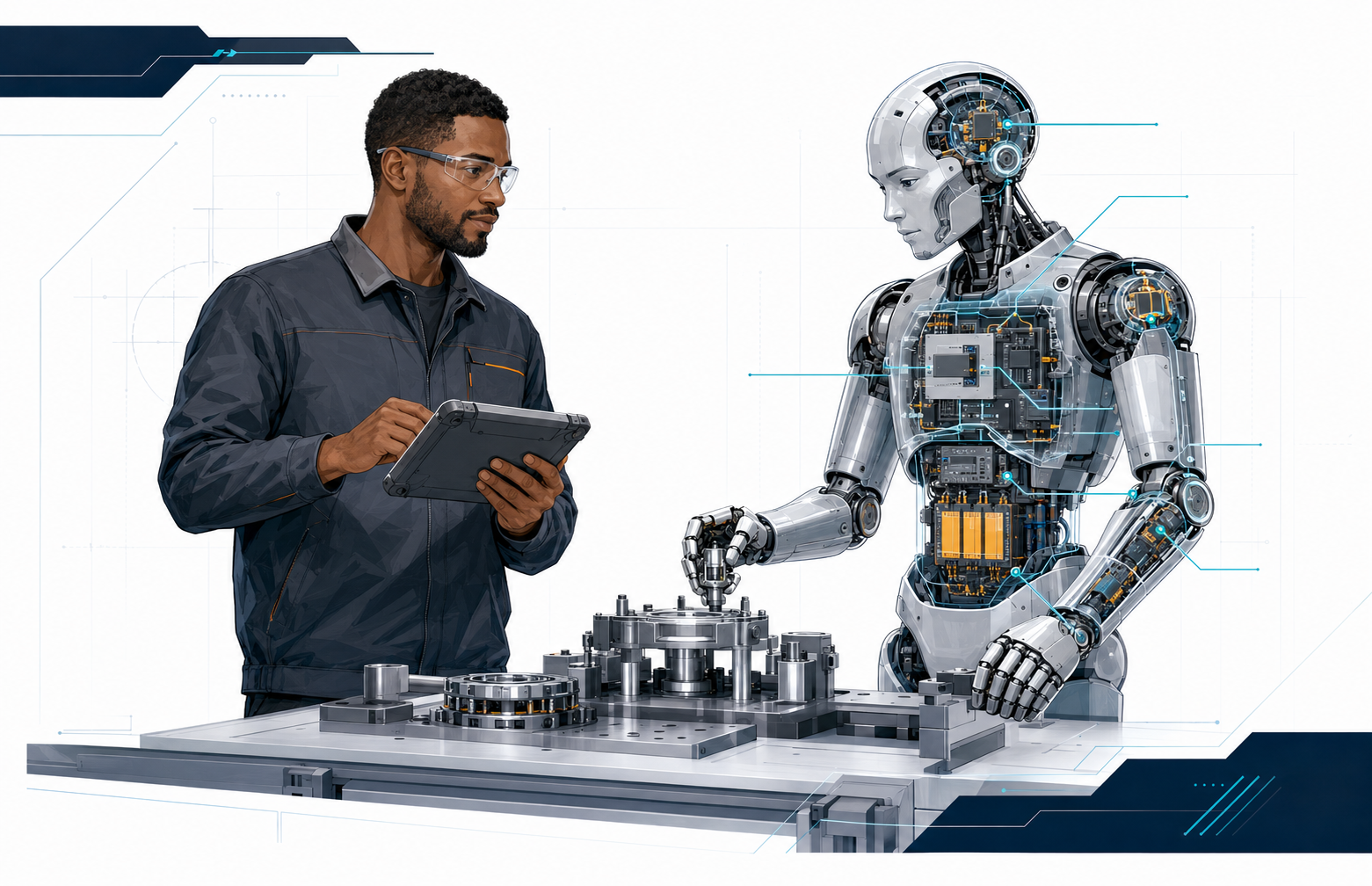
Humanoid robots will not transform work simply because they can lift, carry, inspect, assemble, or operate for long hours. Their deeper impact will come…
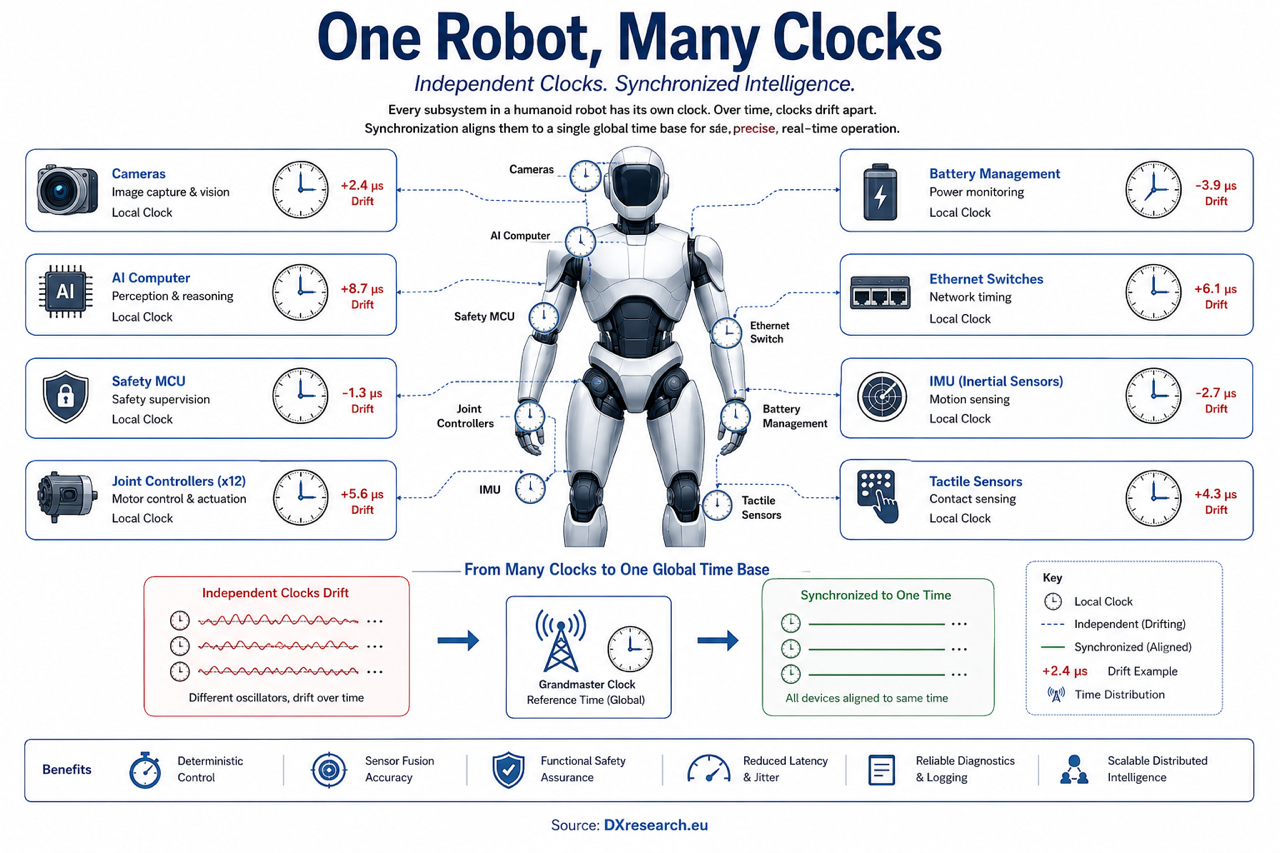
“Humans rarely notice time itself. They notice when it is lost. Humanoid robots are no different. Intelligence depends not only on computation, but on…
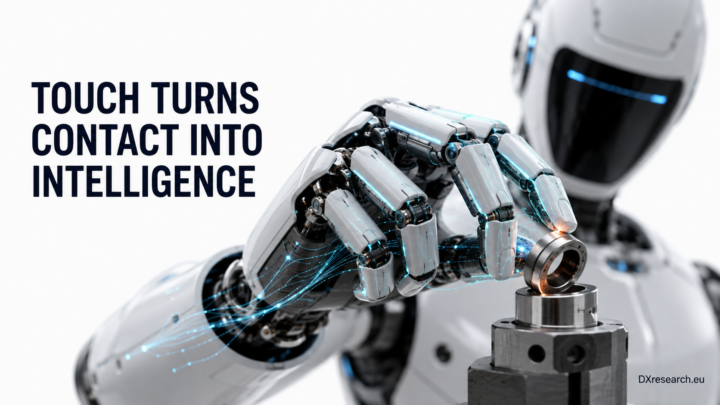
Tactile intelligence links sensing, local reflexes, communication, control and power, enabling humanoid hands to grasp objects safely, reliably and efficiently.