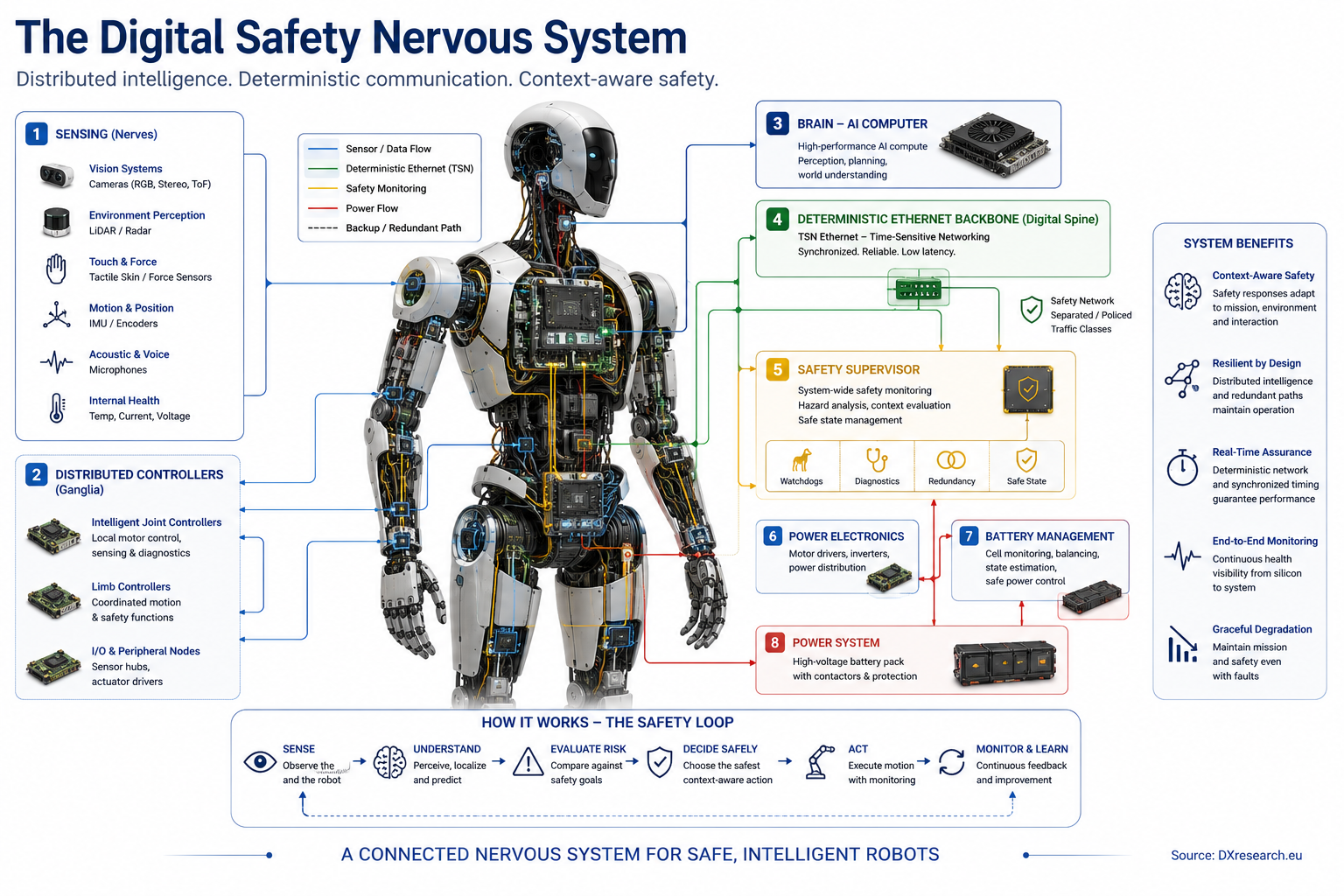
Functional Safety for Humanoid Robots
Functional Safety for Humanoid Robots: From Safe States to Situational Safety “The greatest challenge in humanoid robotics is not teaching machines how to move.…

Functional Safety for Humanoid Robots: From Safe States to Situational Safety “The greatest challenge in humanoid robotics is not teaching machines how to move.…
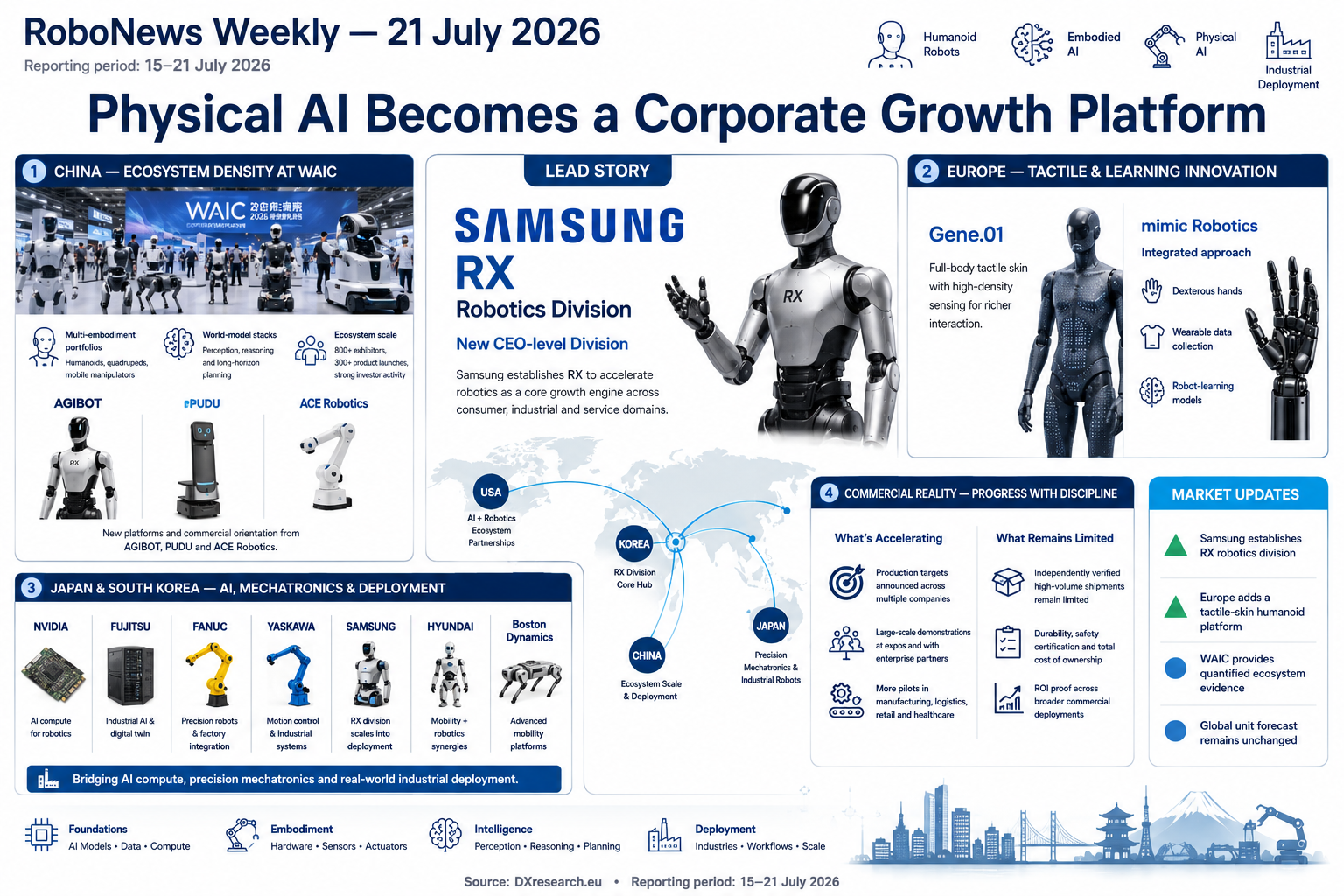
RoboNews weekly 2026.07.21 Humanoid robotics · Embodied AI · Physical AI RoboNews weekly 2026.07.21 Reporting window: July 15–21, 2026Comparison baseline: RoboNews weekly 2026.07.20Coverage: China,…
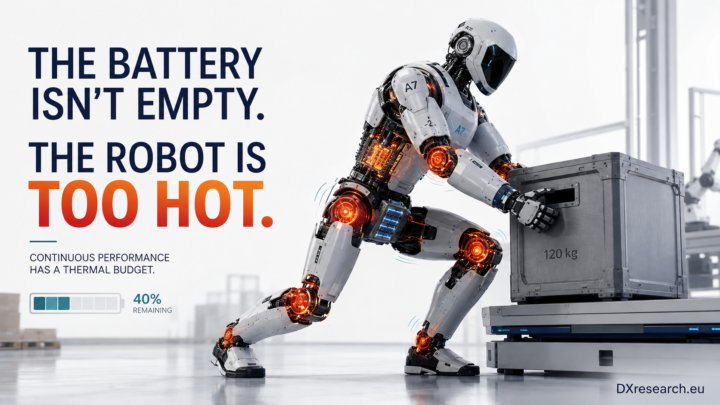
Thermal efficiency, semiconductor losses, and cooling architecture determine sustained humanoid performance, reliability, maintainability, and fleet economics beyond battery capacity alone.
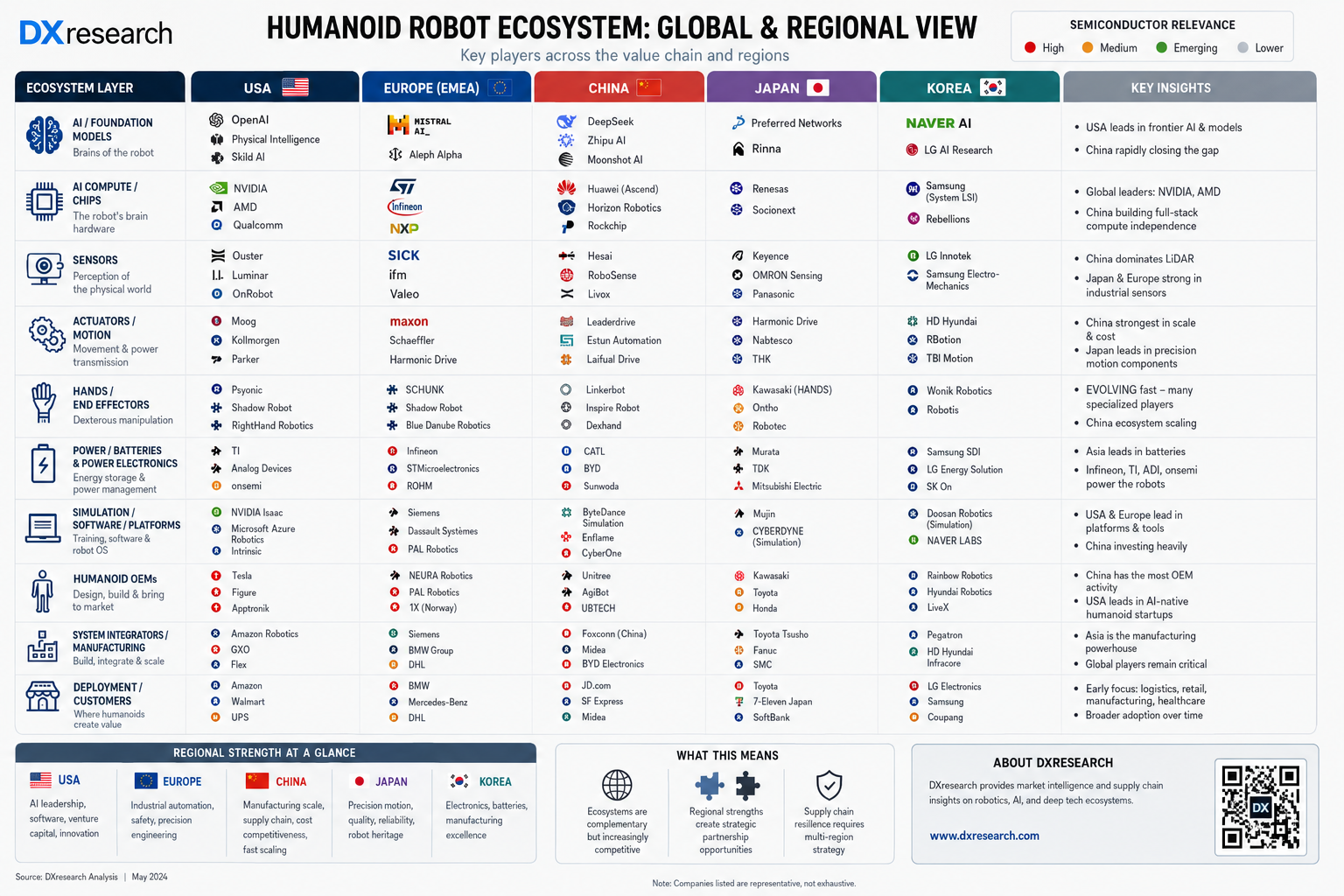
The humanoid robotics ecosystem is evolving into several semi-independent regional technology stacks. 🇺🇸The United States leads in AI, software, and venture funding; 🇨🇳China dominates…
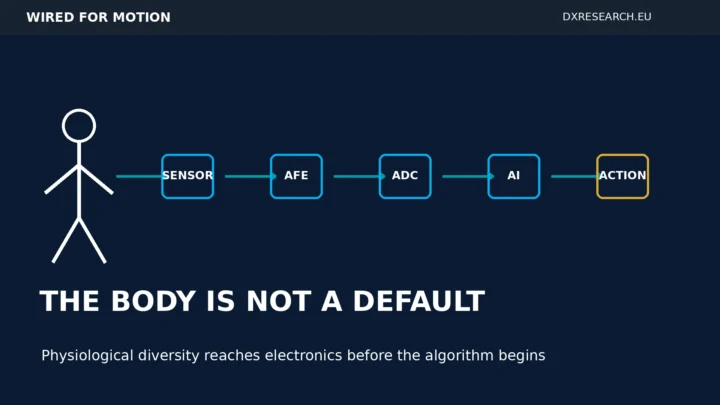
Human-facing Physical AI needs sensing architectures validated across physiological diversity, with adaptive calibration, context awareness, signal quality and explicit confidence.
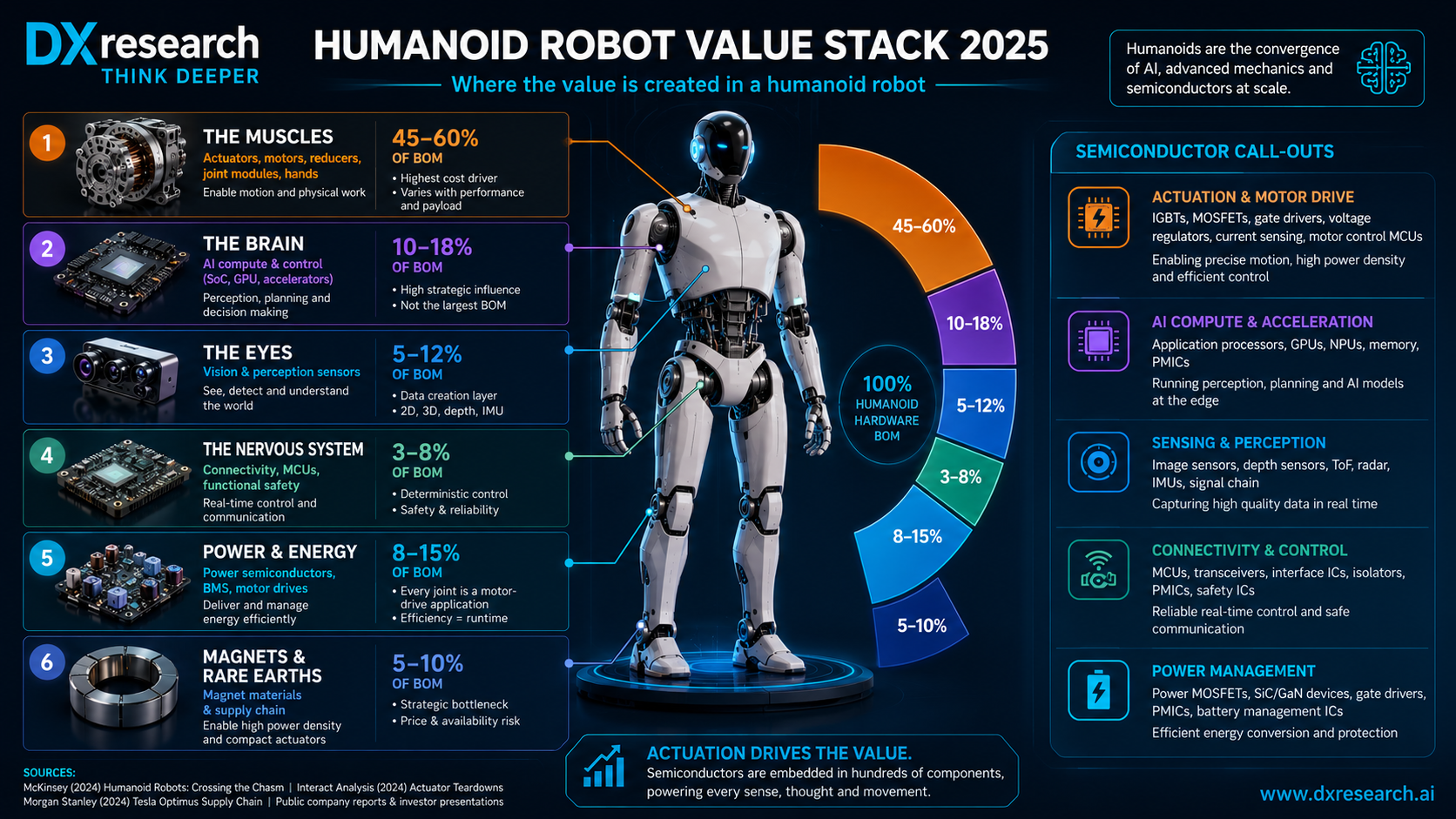
After reviewing current teardown estimates, McKinsey supply-chain analysis, Interact Analysis actuator research, Morgan Stanley Optimus estimates, Nvidia humanoid ecosystem announcements and industry BOM studies,…
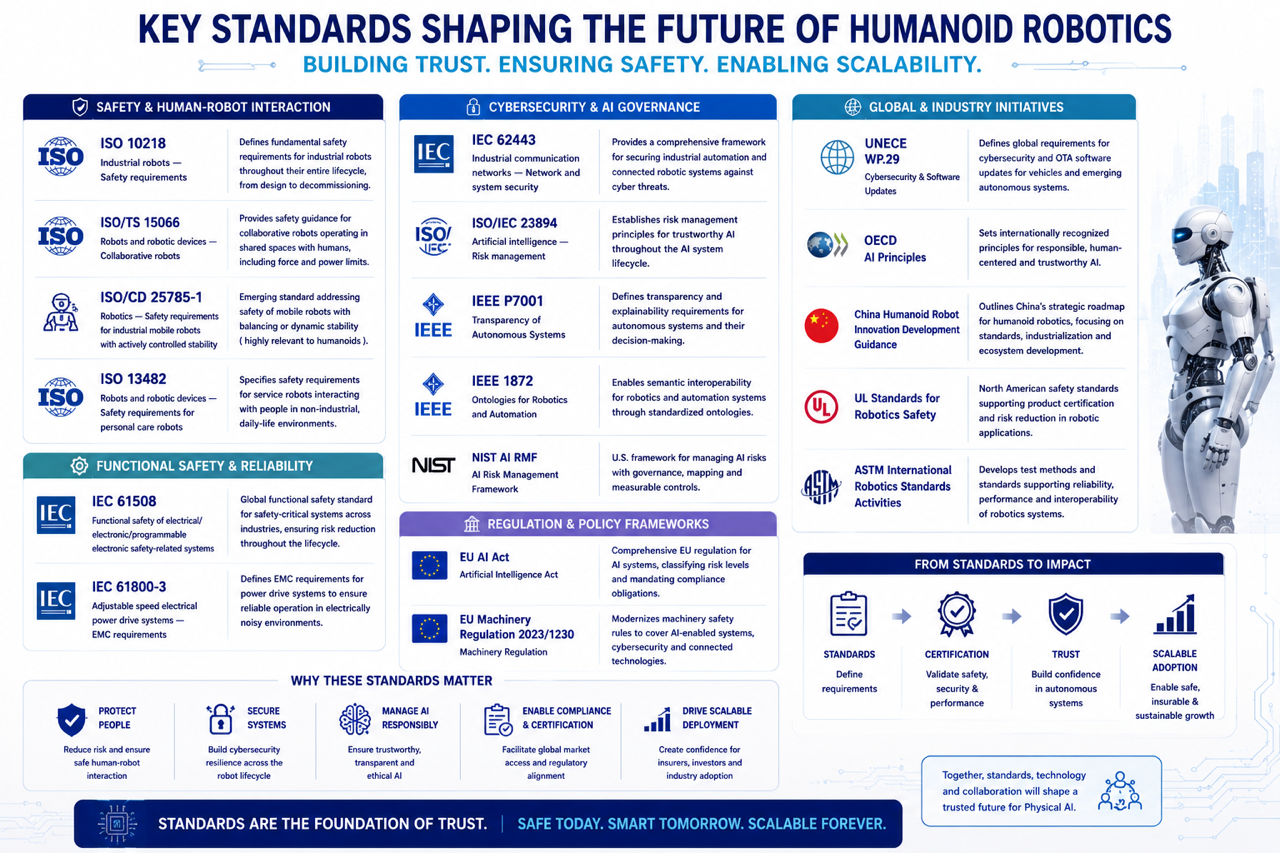
Humanoid robotics is entering the same industrialization phase once seen in automotive and aviation: innovation alone is no longer enough. Standards such as ISO…
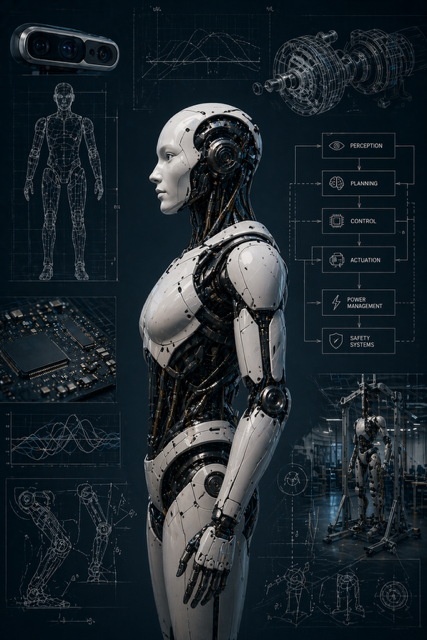
Lyra did not begin as a machine that could move, perceive, or decide, but as a convergence point for a set of engineering assumptions…
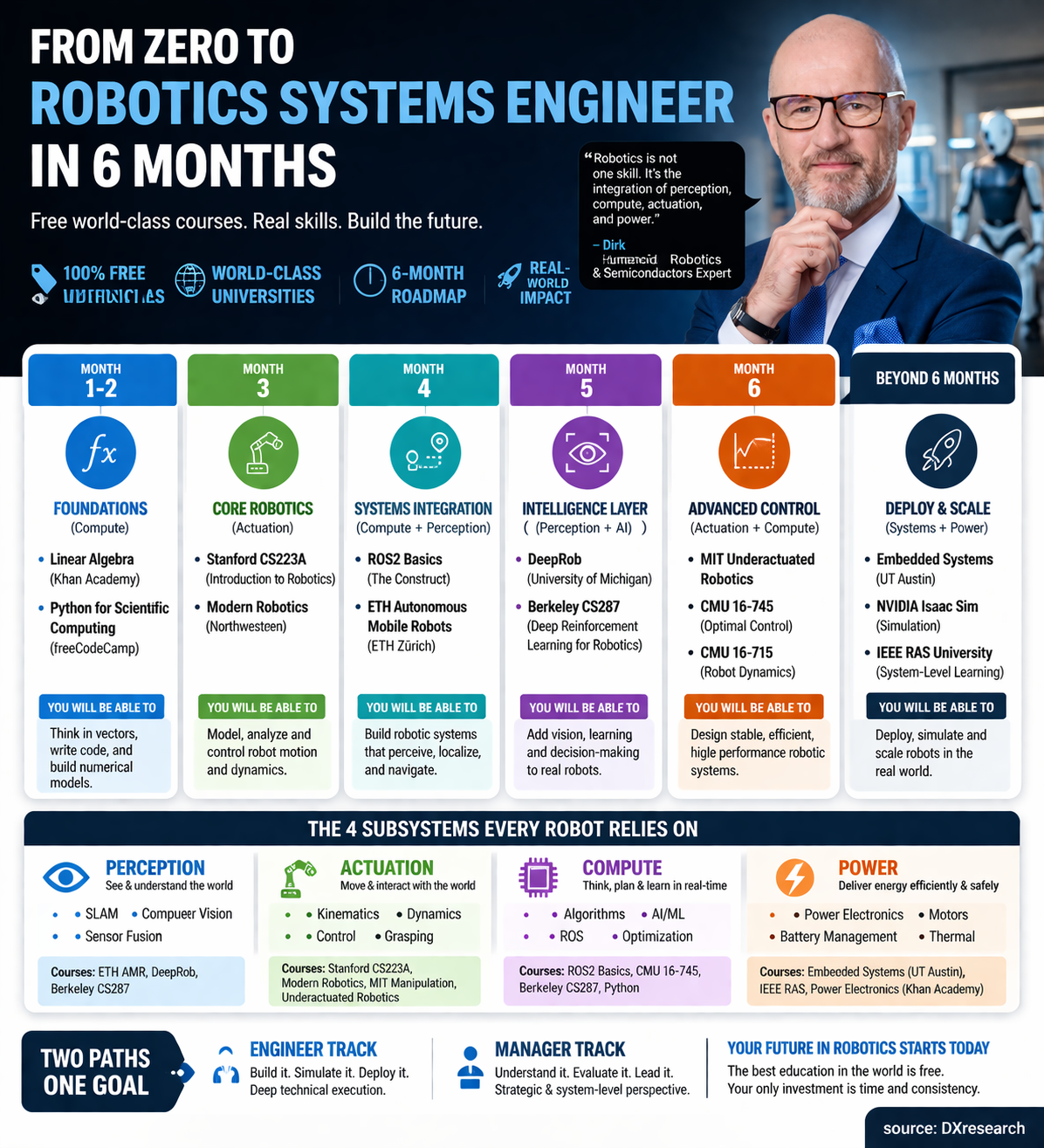
Robotics learning is scaling faster than robotics talent 📊 Market Access to robotics education has expanded rapidly through open courses from leading institutions. Platforms…
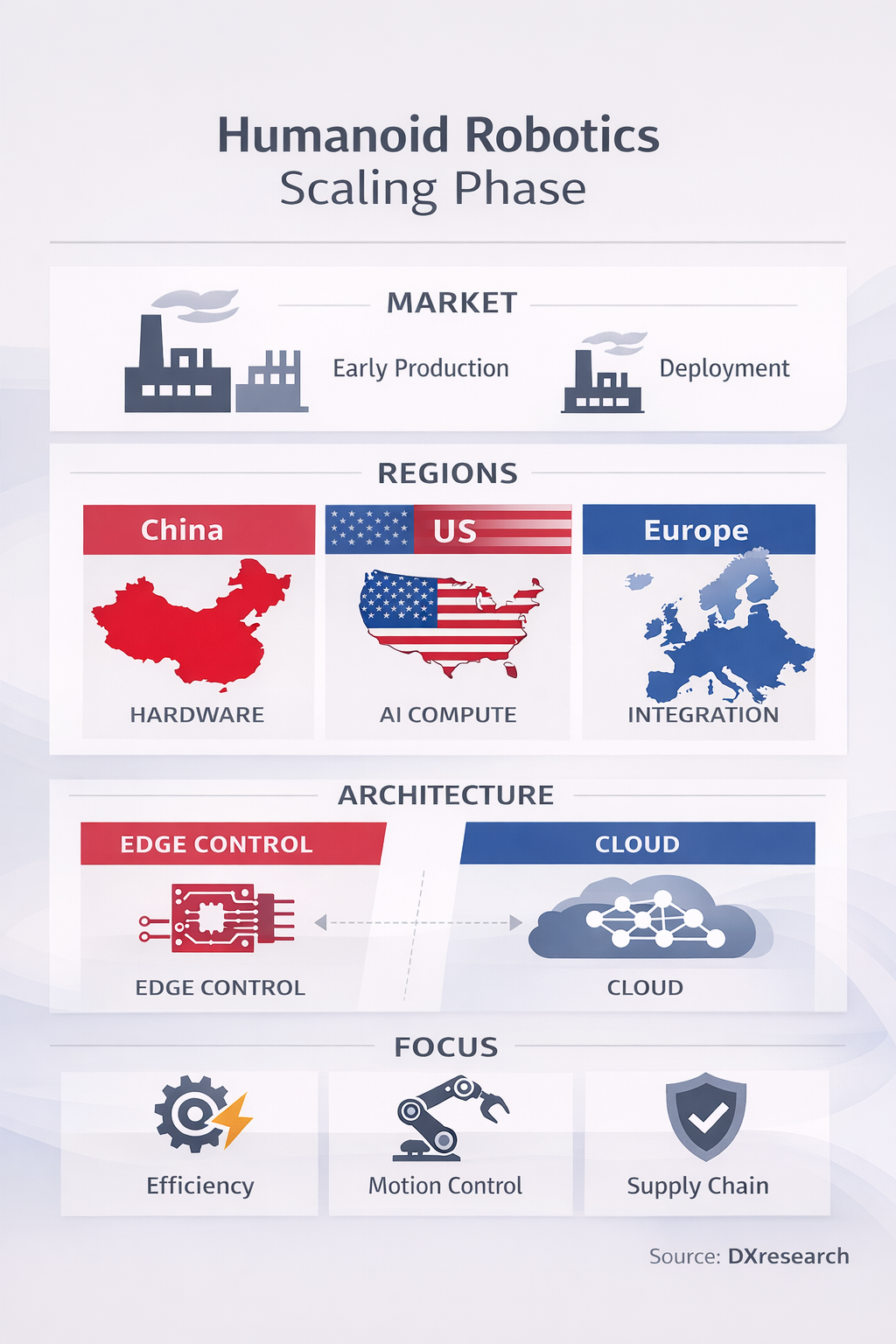
A practitioner’s view from physical AI Working at Infineon Technologies and focusing on physical AI, I see humanoid robotics moving into a more defined…