When Carmakers Build Robots
Automotive OEMs become robot makers transferring electric drive sensing safety AI manufacturing and supplier architectures into emerging Physical AI ecosystems.

Automotive OEMs become robot makers transferring electric drive sensing safety AI manufacturing and supplier architectures into emerging Physical AI ecosystems.
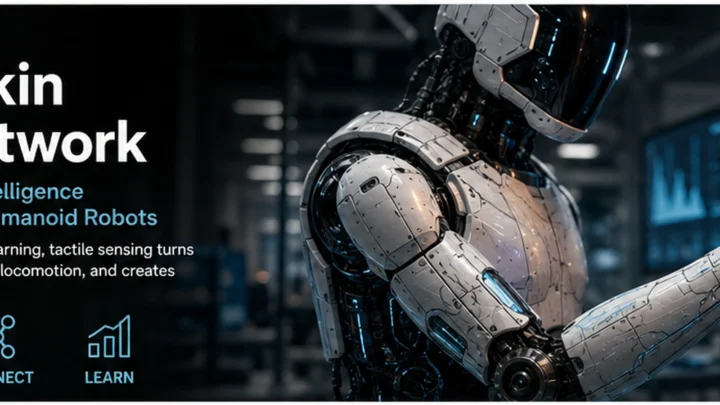
Whole-body tactile networks turn robot surfaces into distributed intelligence, linking contact sensing, edge processing, safety, control, diagnostics, and continuous learning.
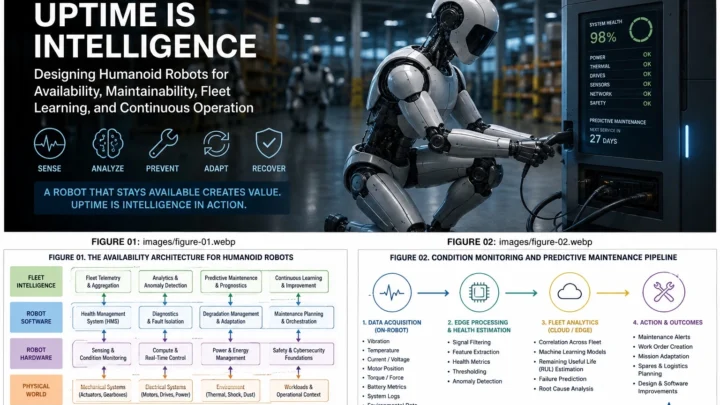
Humanoid scale depends on architectures that detect degradation, preserve safe capability, accelerate repair, and convert fleet evidence into continuous improvement.
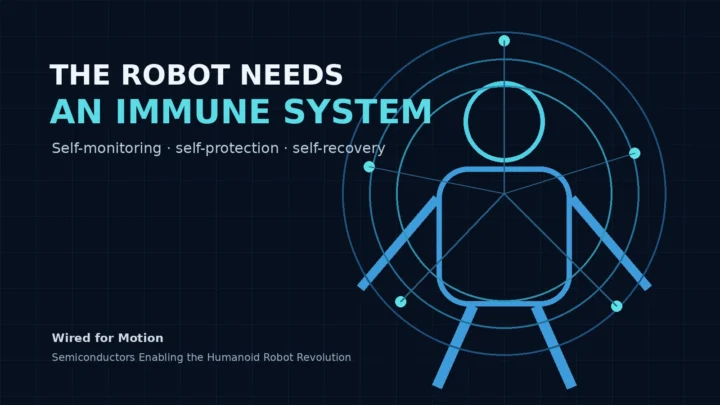
Robots need distributed trust mechanisms that detect abnormalities, contain faults, preserve safe capability, recover securely, and learn across operational fleets.
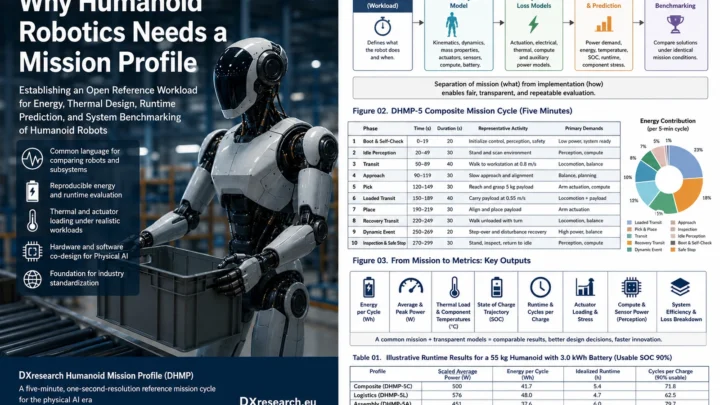
A common humanoid mission profile makes energy, thermal, runtime, and semiconductor comparisons reproducible across robots, tasks, laboratories, and development teams.
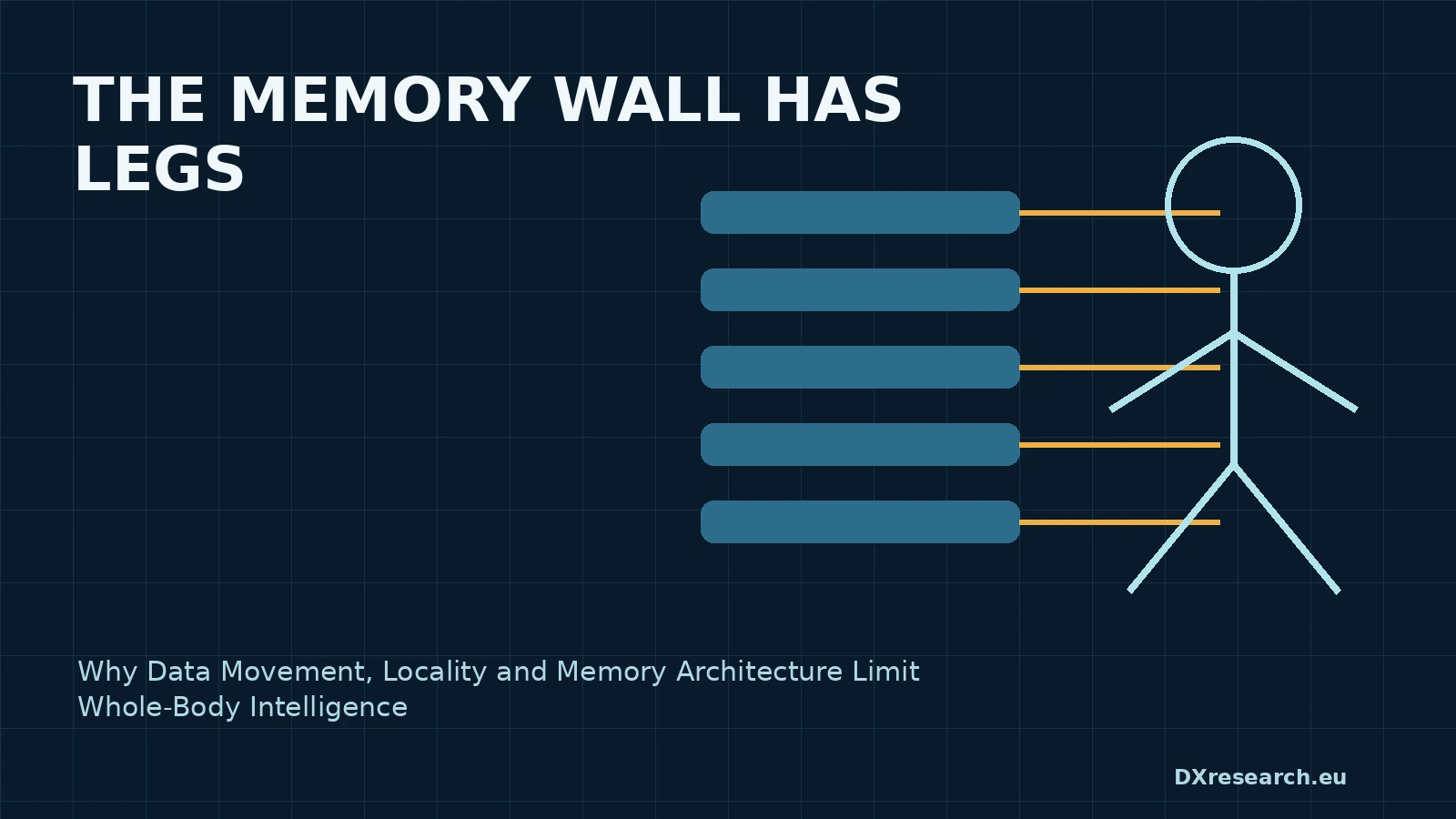
Memory bandwidth, locality and data movement will constrain whole-body robot intelligence before nominal accelerator throughput reaches its advertised computational limits.
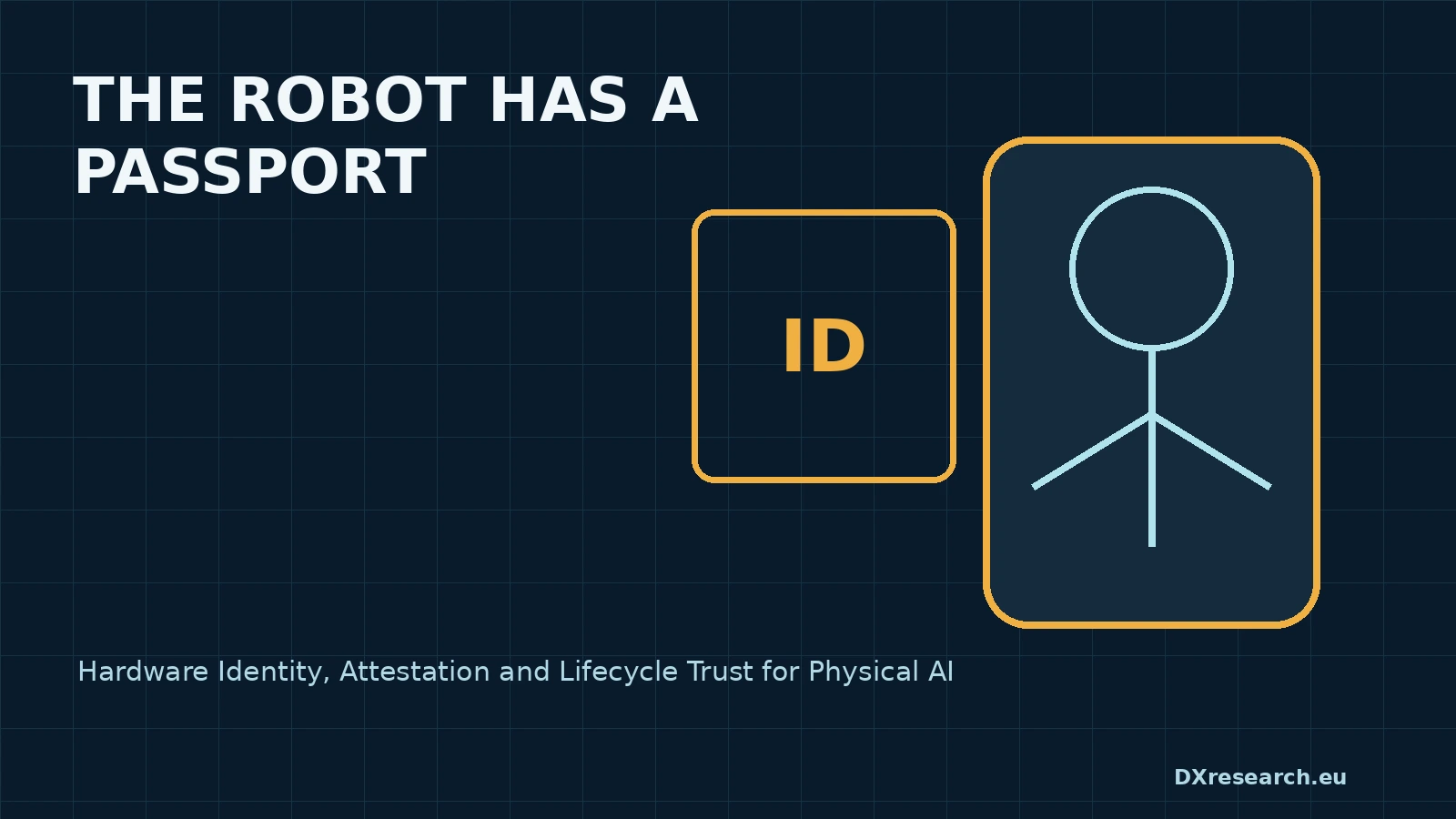
Hardware-rooted identity, attestation and lifecycle evidence will determine whether humanoid robots earn trust, authorization, serviceability and market access at scale.
Humanoid safety requires context-aware, independently assured responses that preserve control, reduce risk, and adapt without surrendering authority to AI models.
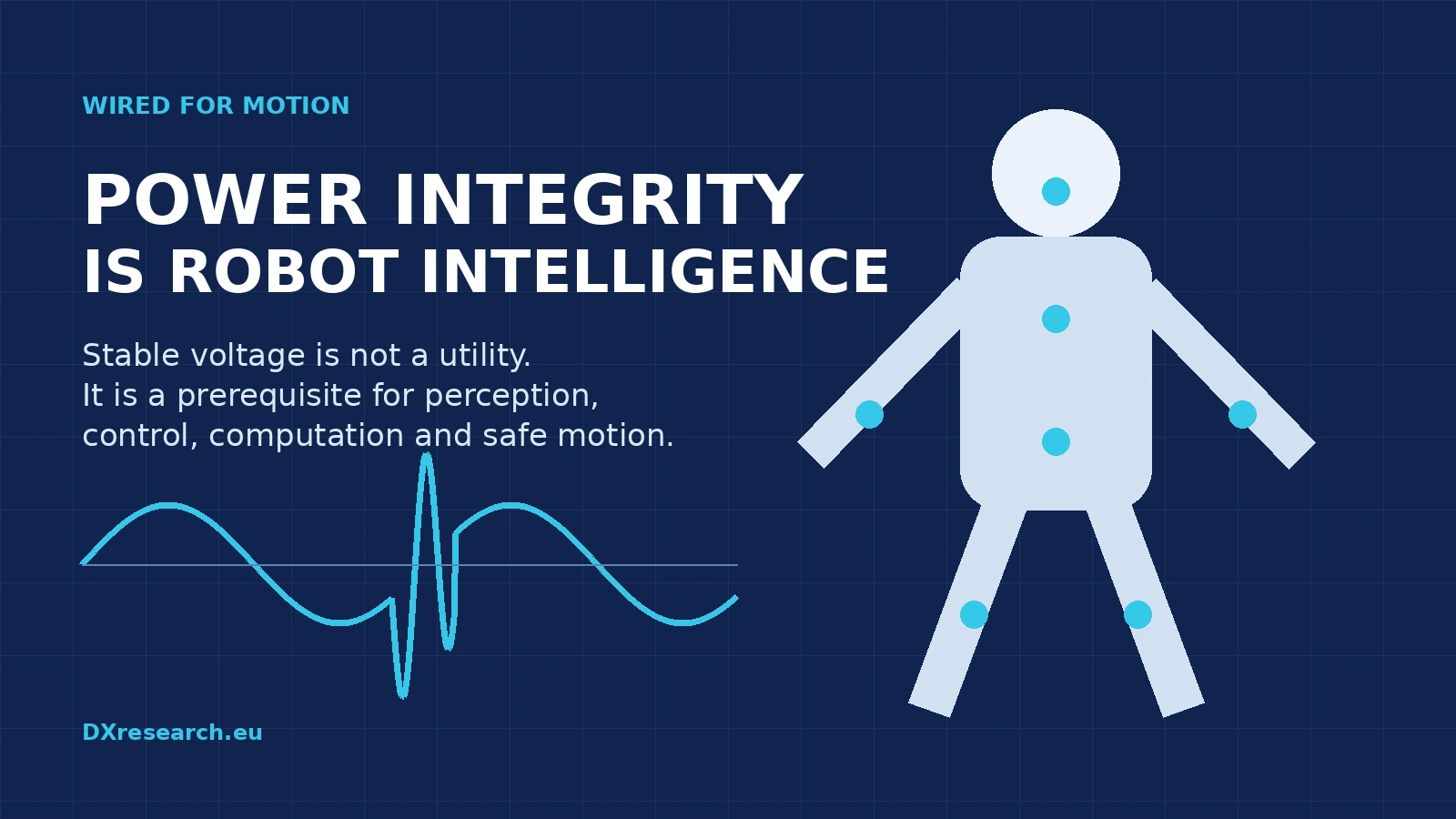
Humanoid performance depends on power integrity: stable distributed energy delivery that preserves motion, perception, computation, safety, and availability under transients.
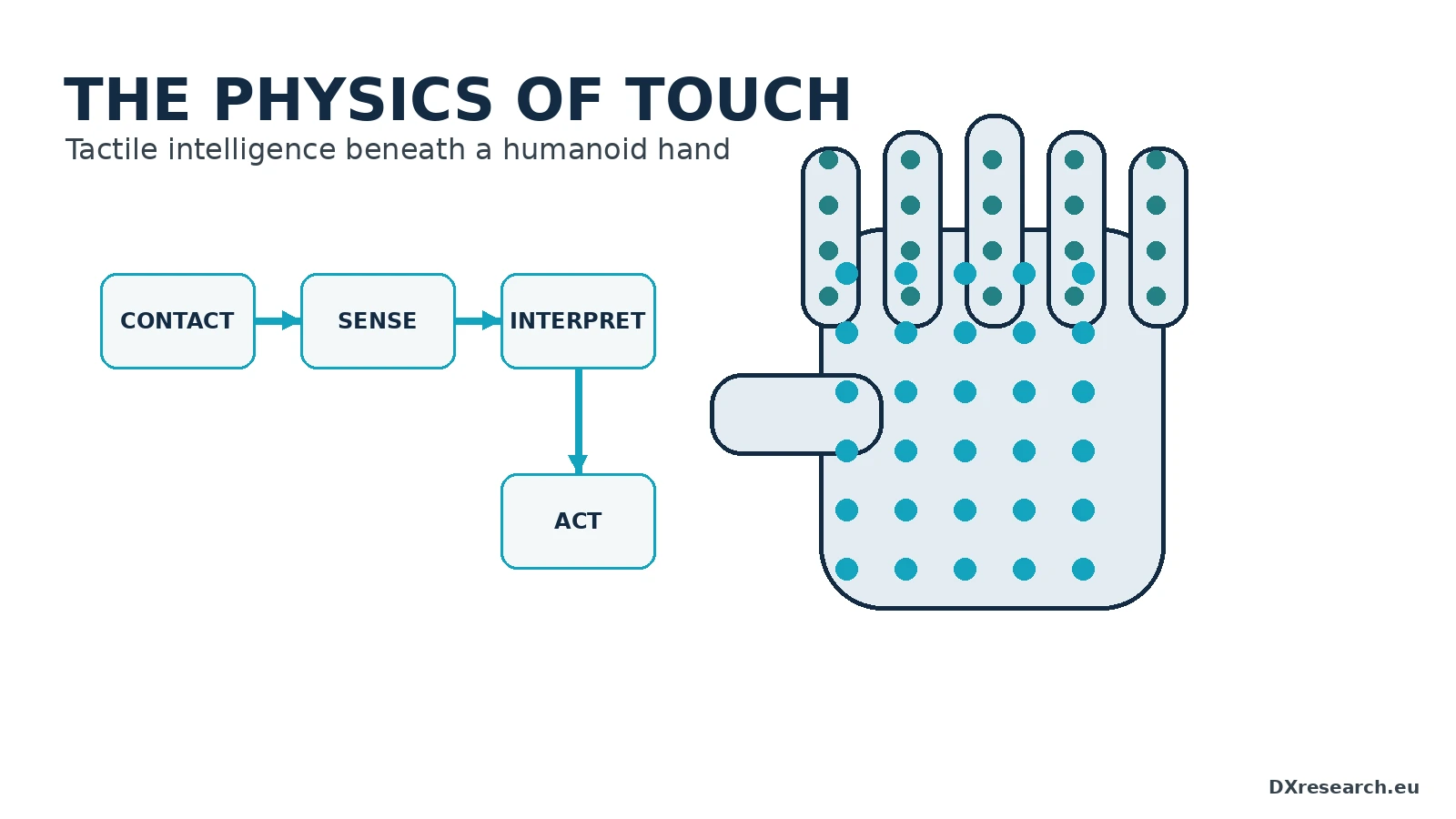
Tactile intelligence turns contact into controlled action by combining sensors, local processing, synchronized data, and semiconductor-grade reliability for dexterous manipulation.