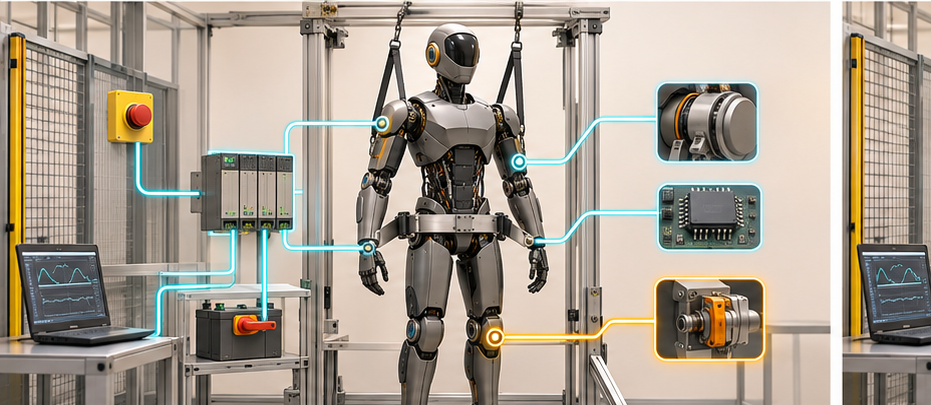
Dormant safety functions can fail silently while robots continue productive work. This white paper examines how humanoid developers can build risk-based proof-test programmes, verify physical outcomes, maintain configuration-aware fleet evidence, and design semiconductor-enabled diagnostics. The resulting assurance depends on independent measurement, secure test authority, disciplined restoration and engineering governance.
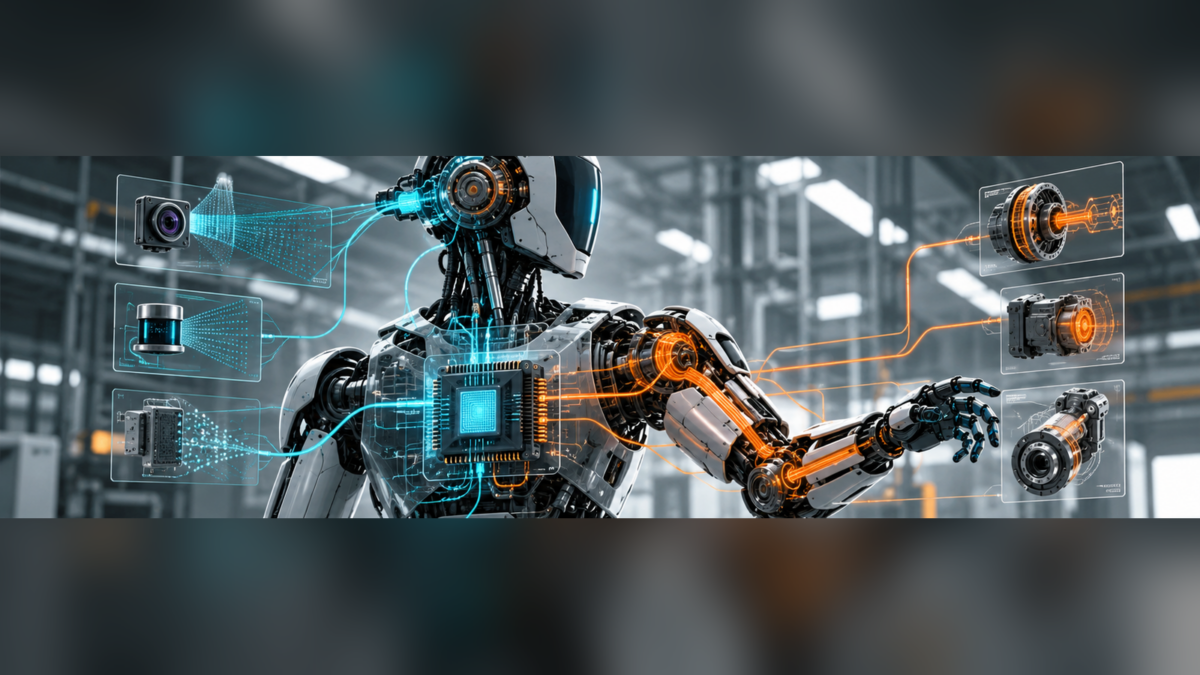
Agility Robotics’ decision to standardize Digit 5 on NVIDIA IGX Thor marks a shift in humanoid architecture. Compute now connects AI capabilities to deterministic execution, safety assurance and lifecycle governance. The commercial test is whether a controlled platform can reduce qualification effort while managing faults, updates and supplier dependence.
Physical AI inherits existing industrial, safety and AI standards while new initiatives target humanoid capabilities, autonomous behaviour and modular interfaces. This article examines the international committees, emerging projects and diverging regional approaches across China, Europe, the United States, Japan and Korea—and evaluates what the evolving rulebook means for developers of
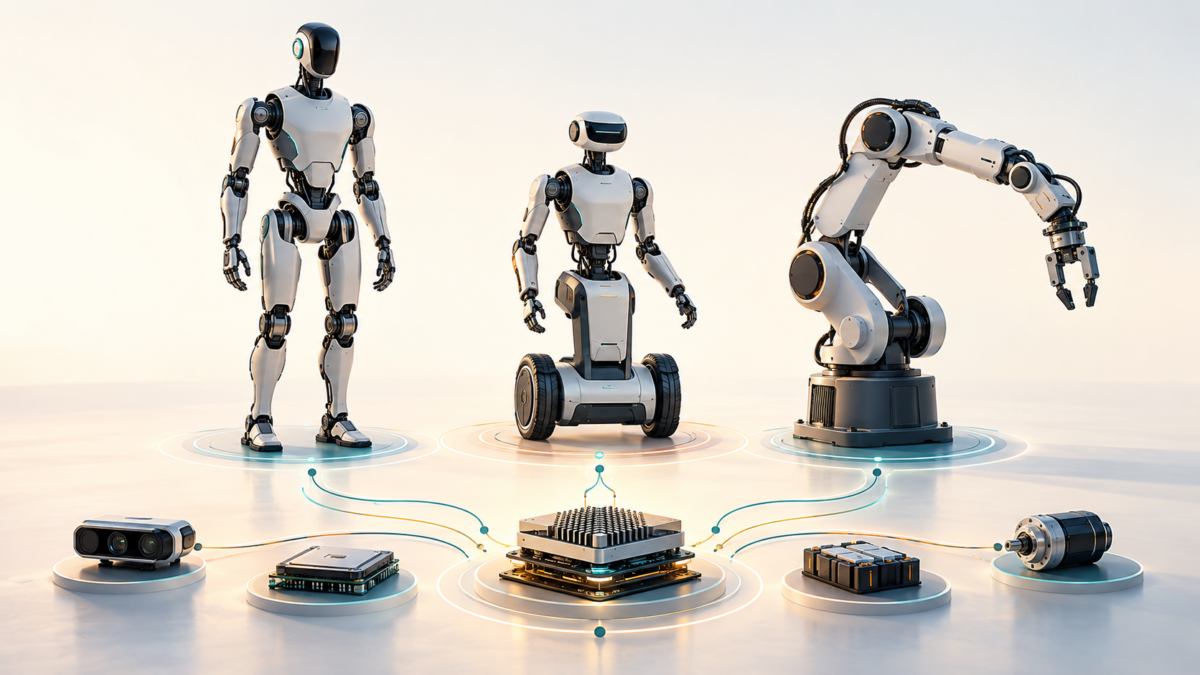
Physical AI forecasts depend on beliefs about useful work, customer economics and adoption. Five competing hypothesis pairs explore possible futures through 2035. A practical process connects scoped assumptions, deployment evidence and scenarios to forecast revisions, helping teams prioritise research, document disagreement and learn as real operating results become available.